
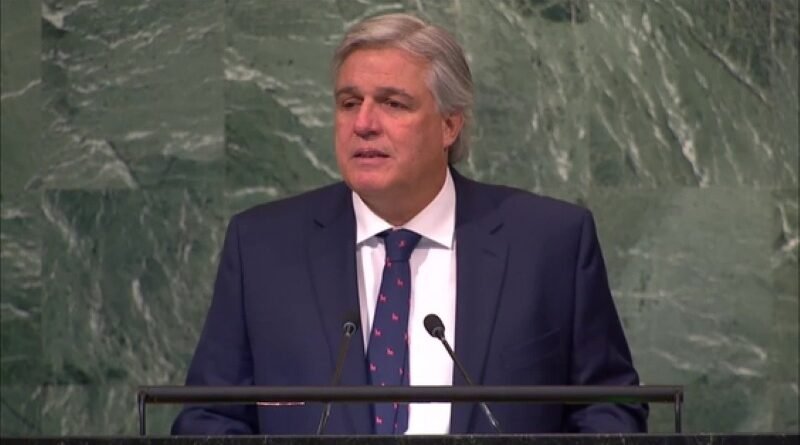
Uruguay’s Finance Minister Advocates Shift from Dollar Debt
MB DAILY NEWS | Raleigh, NC:
Shift From Dollar Debt: Uruguay’s Finance Minister recently emphasized the country’s commitment to reducing reliance on dollar-denominated debt. This strategic pivot aims to strengthen the nation’s financial resilience. By diversifying its debt portfolio, Uruguay seeks to mitigate risks associated with currency fluctuations. Stakeholders view this move as essential for fostering economic stability. The shift could also attract new investors interested in a more stable financial environment. Observers are keen to see how this strategy unfolds in the coming months.
Economic Context
Uruguay’s economy has faced various challenges, including external shocks and inflationary pressures. These factors have prompted the government to reconsider its debt management strategies. A shift from dollar debt could provide greater flexibility in fiscal policy. This approach may help the country navigate economic uncertainties more effectively. Analysts suggest that a diversified debt strategy could enhance Uruguay’s creditworthiness. Future economic performance will depend on the successful implementation of this new direction.
Investors are closely monitoring Uruguay’s financial strategies, particularly regarding debt issuance. A move away from dollar debt could influence investor confidence in the country’s bonds. Some investors may view this as a positive step towards reducing currency risk. Others might remain cautious, awaiting further details on the government’s plans. The response from the market will likely shape future investment decisions. Understanding investor sentiment will be crucial for Uruguay’s economic outlook.
Potential Benefits
Shifting from dollar debt could yield several benefits for Uruguay’s economy. A more diversified debt portfolio may reduce vulnerability to external economic shocks. This strategy could also lead to lower borrowing costs in local currency. Enhanced financial stability might attract foreign direct investment, boosting economic growth. Additionally, a focus on local currency debt could strengthen national sovereignty over monetary policy. Observers will watch for tangible outcomes from this strategic shift.
Challenges Ahead
Despite the potential benefits, Uruguay faces challenges in executing this debt strategy. Transitioning away from dollar debt requires careful planning and market engagement. The government must ensure that local investors are willing to buy into this new approach. Additionally, managing inflation and maintaining fiscal discipline will be critical. Policymakers need to communicate effectively to build trust among stakeholders. The success of this initiative will depend on overcoming these hurdles.
Regional Implications
Uruguay’s decision to pivot from dollar debt may influence neighboring countries in Latin America. Other nations might consider similar strategies to enhance their economic resilience. This trend could lead to a broader regional shift in debt management practices. Policymakers across the continent will likely analyze Uruguay’s outcomes closely. The implications of this shift could reshape financial dynamics in the region. Observers will be attentive to how this strategy impacts regional economic stability.
Future Outlook
The future of Uruguay’s economy hinges on the successful implementation of its debt strategy. Continued monitoring of market reactions will provide insights into its effectiveness. Policymakers must remain adaptable to changing economic conditions. Engaging with stakeholders will be crucial for building consensus around this shift. The long-term effects of this strategy will unfold over time. Analysts will evaluate its impact on Uruguay’s economic trajectory in the years ahead.
Copyright © 2026 MB Daily News. All Rights Reserved.