
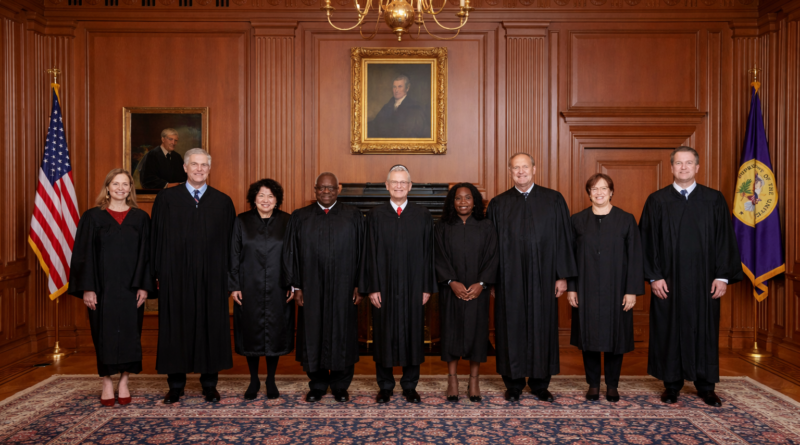
Supreme Court Justices Attend State Of The Union Amid Controversy
MB DAILY NEWS | Raleigh, NC
Supreme Court justices are set to attend the upcoming State of the Union address, despite recent tensions. President Trump’s critical remarks regarding their tariff ruling have created an awkward atmosphere. This event will showcase the justices alongside lawmakers, highlighting the complex relationship between the judiciary and the executive branch. Observers will closely watch how these dynamics unfold during the address. The presence of the justices raises questions about their role in political discourse. Their attendance may signal a willingness to engage with the current administration.
Political Tensions Rise
Political tensions have escalated in recent weeks, particularly surrounding trade policies. The Supreme Court’s ruling on tariffs has drawn sharp criticism from various political figures. Trump’s comments reflect a broader frustration with judicial decisions that impact his administration’s agenda. This situation underscores the ongoing conflict between the executive and judicial branches. The justices’ attendance at the State of the Union could be seen as a gesture of neutrality. Observers will analyze their reactions during the address for any signs of dissent or agreement.
Implications for Judicial Independence
The justices’ presence at a politically charged event raises questions about judicial independence. Critics argue that attending such events may compromise the perception of impartiality. The judiciary’s role is to interpret the law without political influence, making this attendance noteworthy. Legal experts will likely debate the implications of their participation in future discussions. Maintaining a clear boundary between politics and the judiciary is crucial for public trust. The justices must navigate this delicate balance while fulfilling their duties.
Security Concerns and Military Actions
As the State of the Union approaches, security concerns are heightened, particularly regarding international tensions. The Pentagon has expressed caution about potential military actions against Iran. This backdrop of geopolitical uncertainty adds another layer of complexity to the event. Lawmakers will likely address these issues during the address, emphasizing national security. The justices’ attendance amidst these discussions may influence public perception of their role. Observers will pay attention to how these topics are framed during the speech.
Controversial Communications in Congress
In addition to the Supreme Court’s involvement, a Republican congressman faces scrutiny over explicit text messages. This controversy has sparked discussions about ethics and accountability within Congress. The situation reflects broader concerns about conduct among elected officials. Lawmakers are under increasing pressure to maintain transparency and integrity. The timing of this revelation coincides with the State of the Union, potentially overshadowing other key issues. This incident may prompt calls for reforms in congressional conduct and oversight.
Public Reaction and Media Coverage
Public reaction to the justices’ attendance and the surrounding controversies will likely dominate media coverage. Analysts will assess how these events resonate with various voter demographics. The intersection of judicial and political matters can influence public opinion significantly. Media outlets will scrutinize the justices’ demeanor during the address for any signs of tension. This scrutiny may shape narratives leading up to upcoming elections. Engaging the public effectively will be essential for all parties involved.
Looking Ahead: Future Political Dynamics
The implications of the justices’ attendance extend beyond the State of the Union. Future interactions between the judiciary and the executive branch will be closely monitored. Political analysts will evaluate how this event impacts ongoing legislative efforts. The evolving relationship between these branches of government will shape policy discussions moving forward. Observers will also consider how public sentiment influences judicial decisions in the future. The outcomes of these dynamics will be critical as the political landscape continues to shift.