
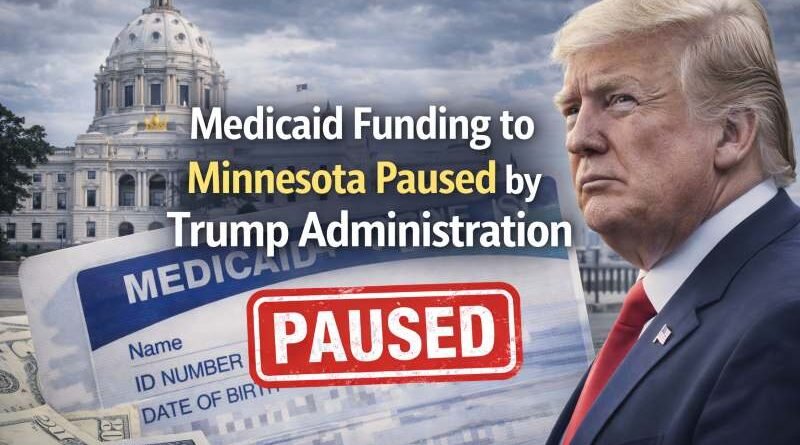
Trump Administration Halts Medicaid Funding To Minnesota To Ensure Accountability
MB DAILY NEWS | Raleigh, NC
The Trump administration has decided to suspend nearly $260 million in Medicaid funding to Minnesota. This action aims to compel the state to improve its accountability regarding the distribution of government funds. The decision reflects a broader strategy to address concerns about financial oversight in state programs. Stakeholders are closely monitoring how this pause will impact healthcare services in Minnesota. The administration emphasizes the need for transparency in the allocation of federal resources. This move could set a precedent for similar actions in other states facing accountability issues.
Implications for Minnesota’s Healthcare System
The suspension of Medicaid funding raises significant concerns for Minnesota’s healthcare system. Many providers rely on these funds to deliver essential services to vulnerable populations. A prolonged pause could disrupt care for individuals who depend on Medicaid for their health needs. State officials may need to explore alternative funding sources to mitigate the impact. The situation highlights the delicate balance between federal oversight and state autonomy in managing healthcare programs. Observers will watch closely to see how Minnesota responds to this challenge.
Federal Oversight and Accountability
This action underscores the Trump administration’s commitment to enhancing federal oversight of state programs. By targeting Medicaid funding, the administration signals its intent to hold states accountable for financial management. The pause serves as a warning to other states about the potential consequences of inadequate oversight. Federal officials are likely to increase scrutiny of state spending practices moving forward. This could lead to more stringent requirements for states seeking federal funds. The focus on accountability may reshape how states approach their budgeting processes.
Political Reactions and Stakeholder Responses
Reactions to the funding pause have varied among political leaders and stakeholders. Some state officials express concern about the potential fallout for healthcare access. Others support the administration’s push for greater accountability in government spending. Advocacy groups are voicing their worries about the impact on low-income residents who rely on Medicaid. The political landscape may shift as stakeholders mobilize to address the funding freeze. Future discussions will likely center on finding a balance between oversight and support for state programs.
Future of Medicaid Funding in Minnesota
The future of Medicaid funding in Minnesota remains uncertain amid this pause. State leaders must navigate the complexities of federal requirements while ensuring continued care for residents. Negotiations between state and federal officials will be crucial in determining the path forward. Minnesota may need to implement reforms to satisfy federal expectations. The outcome of these discussions could influence Medicaid funding across the nation. Stakeholders will be keenly aware of how this situation unfolds in the coming months.
Task Force on Government Fraud
The funding pause coincides with the establishment of a new task force focused on government fraud. This task force aims to address issues of financial mismanagement and improve accountability across various programs. The vice president’s leadership role in this initiative highlights the administration’s commitment to tackling fraud. The task force’s findings may lead to further actions against states that fail to meet accountability standards. This initiative could reshape how federal funds are monitored and distributed. Observers will be interested in the task force’s recommendations and their potential impact.
Monitoring the Impact of the Funding Suspension
As the funding suspension takes effect, monitoring its impact will be essential. Analysts will assess how the pause affects healthcare services and access in Minnesota. The administration’s actions may prompt other states to reevaluate their financial practices. Stakeholders will need to remain vigilant as developments unfold. The situation could serve as a case study for future federal-state relations regarding Medicaid funding. Understanding the consequences of this pause will be crucial for policymakers and advocates alike.