
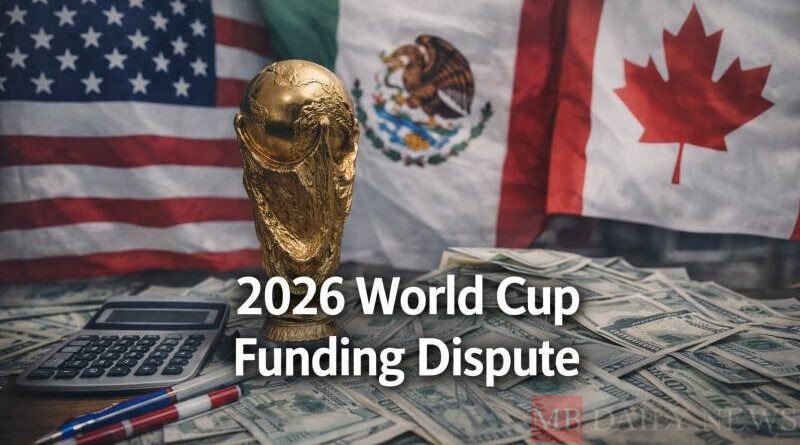
The 2026 World Cup Entangled in U.S. Government Funding Dispute
MB DAILY NEWS | Raleigh, NC:
The 2026 World Cup faces unexpected challenges as a funding dispute within the U.S. government unfolds. This situation raises concerns about the financial support necessary for hosting such a significant global event. Stakeholders are closely monitoring developments, as the outcome could impact preparations and infrastructure investments. The tournament, co-hosted by the U.S., Canada, and Mexico, relies heavily on government backing. A lack of consensus among lawmakers complicates the financial landscape. Observers are eager to see how this dispute resolves and what it means for the World Cup’s future.
Implications for Host Cities
Host cities for the 2026 World Cup now face uncertainty regarding funding for necessary infrastructure upgrades. Cities like New York, Los Angeles, and Dallas have planned extensive renovations to accommodate fans and teams. Delays in funding could hinder these projects, affecting local economies and tourism. City officials express concern about meeting FIFA’s standards without adequate financial support. The ripple effects of this dispute may extend beyond sports, influencing local businesses and job creation. Stakeholders must advocate for timely resolutions to ensure successful preparations.
Government Perspectives
Lawmakers are divided on the allocation of funds for the World Cup, reflecting broader political tensions. Some view the event as an opportunity to showcase American hospitality and boost the economy. Others question the prioritization of sports funding amid pressing social issues. This debate highlights the complexities of public funding for private events. The outcome will likely influence future government support for similar initiatives. Observers are keen to see how these discussions evolve in the coming months.
FIFA’s Role in the Dispute
FIFA, the governing body of soccer, plays a crucial role in the World Cup’s organization and funding structure. The organization expects host nations to provide certain financial guarantees and infrastructure commitments. As the funding dispute unfolds, FIFA may need to intervene to ensure compliance with its requirements. The organization’s reputation hinges on the successful execution of the tournament. A lack of funding could jeopardize FIFA’s plans and affect its relationship with the U.S. government. Stakeholders will watch closely for any statements or actions from FIFA regarding this situation.
Public Sentiment and Support
Public opinion regarding the World Cup funding dispute remains mixed, with many fans expressing frustration. Supporters emphasize the importance of the tournament for national pride and international recognition. Others question the necessity of government funds for a sporting event. This divide reflects broader societal views on public spending and priorities. Engaging the public in discussions about the World Cup’s benefits may help garner support for funding. The sentiment surrounding this issue could influence lawmakers as they navigate the funding debate.
Future of Major Sporting Events
The 2026 World Cup funding dispute raises questions about the future of major sporting events in the U.S. As cities prepare to host global competitions, securing government support becomes increasingly critical. This situation may set a precedent for how future events are funded and organized. Stakeholders must consider the implications of this dispute for upcoming tournaments, including the Olympics and other international competitions. The outcome could reshape the landscape of sports funding in the U.S. Observers will be keen to see how this situation unfolds.
Next Steps for Stakeholders
Stakeholders involved in the 2026 World Cup must strategize to navigate the ongoing funding dispute. Collaboration between government officials, city leaders, and FIFA will be essential for resolving financial uncertainties. Engaging with the public and media can help build support for necessary funding measures. As discussions progress, stakeholders should remain transparent about challenges and potential solutions. The next few months will be critical in determining the World Cup’s trajectory. All eyes will be on how these parties work together to ensure a successful tournament.