
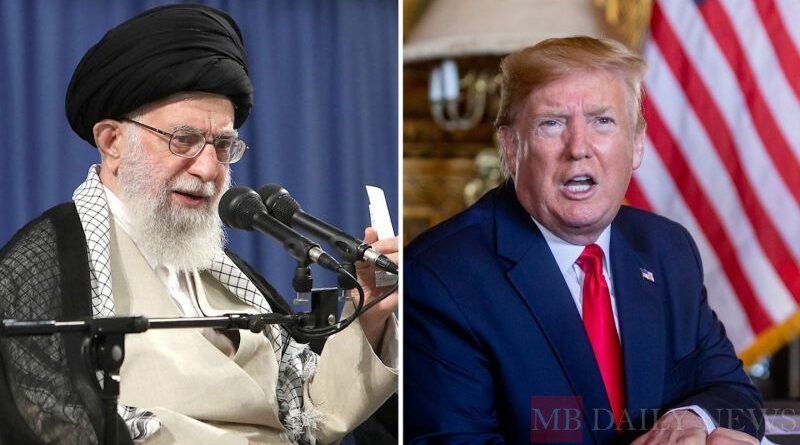
Congressional Leaders Hesitant To Label U.s. Conflict With Iran As War
MB DAILY NEWS | Raleigh, NC
When asked about the nature of the U.S. Involvement with Iran, many congressional members hesitate to use the term “war.” This reluctance reflects a broader political sensitivity surrounding military engagements. Lawmakers often weigh the implications of such terminology on public perception and policy. The term “war” carries significant weight, influencing both domestic and international reactions. As tensions escalate, the choice of words becomes increasingly critical. Observers note that this cautious approach may impact future legislative decisions regarding military funding and intervention.
Political Implications of Terminology
The choice to avoid the term “war” suggests a strategic political maneuver. Lawmakers may fear backlash from constituents who oppose military action. This hesitance can also stem from the desire to maintain diplomatic avenues with Iran. By refraining from declaring war, Congress may aim to keep open lines of communication. This approach could influence negotiations and potential resolutions in the region. The political landscape may shift as public opinion evolves regarding military involvement.
Economic Pressures Mounting
Rising gas prices are intensifying scrutiny on the U.S. Relationship with Iran. Increased fuel costs often lead to public discontent, which can pressure political leaders. As citizens feel the pinch at the pump, they may demand accountability from elected officials. This economic strain complicates the narrative surrounding military actions. Lawmakers must balance national security interests with the immediate concerns of their constituents. The intersection of economics and foreign policy will likely shape upcoming debates in Congress.
Inflation Concerns Diverge
Different economic indicators present conflicting views on inflation, adding to the complexity of the situation. Some metrics suggest rising costs, while others indicate stability. This divergence can create confusion among the public and policymakers alike. Understanding the nuances of inflation is crucial for effective governance. Lawmakers must navigate these mixed signals as they formulate responses to economic challenges. The ongoing debate over inflation will influence discussions about military funding and foreign policy priorities.
Public Sentiment and Military Engagement
Public sentiment plays a vital role in shaping congressional attitudes toward military engagement. As citizens express their views on foreign conflicts, lawmakers must respond accordingly. The reluctance to label the U.S. Involvement in Iran as war reflects a desire to align with public opinion. Engaging in military action without broad support can lead to political fallout. Lawmakers are acutely aware of the potential consequences of their decisions. This dynamic will continue to influence discussions about U.S. Foreign policy.
Future Legislative Actions
As the situation evolves, future legislative actions will likely reflect the ongoing debate about military terminology. Congress may consider measures that address both economic and security concerns. The hesitance to declare war could lead to alternative approaches in dealing with Iran. Lawmakers might explore diplomatic solutions or sanctions as preferred strategies. The balance between military readiness and public sentiment will be a critical factor. Observers will closely monitor how these discussions unfold in the coming months.
International Reactions and Consequences
International reactions to U.S. Military terminology can have significant implications for global relations. Allies and adversaries alike pay attention to how the U.S. Frames its actions. The reluctance to use the term “war” may signal a desire for diplomacy over conflict. This approach could influence how other nations respond to U.S. Initiatives. Understanding the global context is essential for effective foreign policy. The ramifications of these discussions will resonate beyond U.S. Borders.