
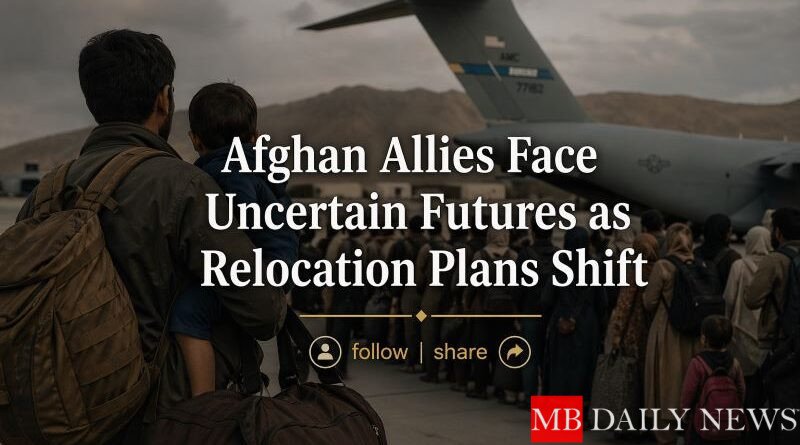
Afghan Allies Face Uncertain Futures as Relocation Plans Shift
MB DAILY NEWS | Raleigh, NC.
Amid ongoing discussions about the resettlement of Afghan allies, a troubling development has emerged. Plans may shift from relocating them to the United States to sending them to Congo instead. This possibility has raised serious concerns among advocacy groups. Moreover, it has alarmed those who have worked to secure safe refuge for these vulnerable individuals.
In a recent investigative report by MB Daily News, I examined the implications of this potential change. Many Afghan allies risked their lives to support U.S. military efforts. Now, however, they face an uncertain future. The promise of safety in the U.S. appears to be fading. As a result, questions arise about the commitments made to them and the credibility of U.S. humanitarian efforts.
Unpacking the Shift in Plans
The proposal to relocate Afghan allies to Congo highlights several political and logistical challenges. On the one hand, officials face pressure to find immediate solutions. On the other hand, advocacy groups warn about the risks involved.
Furthermore, these organizations emphasize that Congo may lack the support systems needed for successful resettlement. For many Afghan allies, the United States represented hope. Now, that hope is at risk.
Concerns from Advocacy Groups
Organizations that support Afghan refugees strongly oppose this proposal. They argue that relocating allies to Congo undermines prior commitments. In addition, it could expose them to new dangers.
Congo already faces economic and social challenges. Therefore, it may not provide the stability these individuals need. Without proper infrastructure, their vulnerability could increase.
A representative from one advocacy group stated:
“Sending these individuals to Congo is not a viable solution. It breaks the promises made to them.”
Similarly, recent coverage shows that this issue reflects broader tensions in current migration policies.
The Broader Implications
This situation goes beyond the fate of Afghan allies. It also raises important questions about U.S. foreign policy. If the relocation plan proceeds, it could set a concerning precedent.
Moreover, it may affect how the U.S. handles future commitments. Promises made during conflict must carry weight. Otherwise, trust erodes.
A Pattern of Distrust
This development fits into a broader pattern seen in recent years. U.S. resettlement policies have faced increasing criticism. As global conflicts continue, the demand for humanitarian action grows.
At the same time, confidence in these commitments declines. The situation of Afghan allies mirrors challenges faced by other refugee groups. Consequently, the U.S. reputation as a safe haven may suffer.
Human and Political Consequences
The impact of this decision extends beyond those directly affected. It also influences public opinion and political debate. Immigration policies remain highly sensitive.
In addition, such decisions may alienate communities that once trusted the U.S. system. This could deepen divisions and reduce support for future initiatives.
Looking Ahead
As discussions continue, the possibility of relocation to Congo remains uncertain. However, the issue highlights the complexity of humanitarian commitments.
It also raises critical questions about accountability and moral responsibility. Nations must consider their obligations carefully. Ultimately, the outcome will shape future refugee policies and global trust in U.S. commitments.