
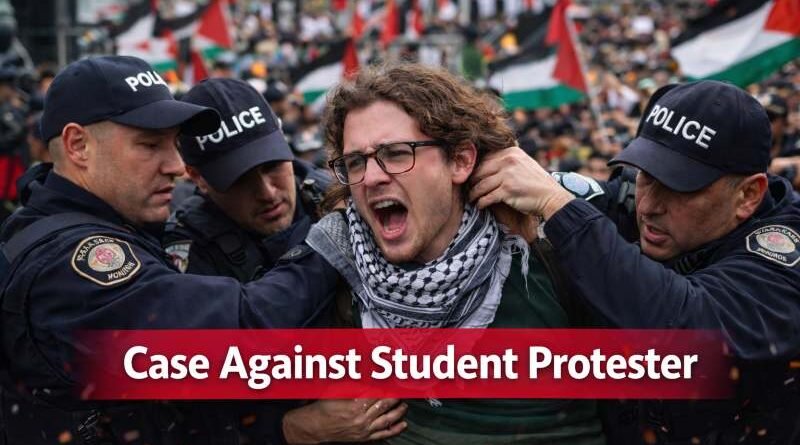
Immigration Court Dismisses Case Against Student Protester Mahdawi
MB DAILY NEWS | Raleigh, NC
An immigration court recently dismissed the case against Mohsen Mahdawi, a student protester. This decision marks a notable moment in the ongoing legal battles surrounding immigration enforcement. The ruling follows a trend where courts have increasingly rejected cases against individuals involved in protests. Mahdawi’s case is particularly significant as it highlights the intersection of immigration policy and free speech rights. Observers are keenly watching how these legal outcomes may influence future cases involving activists. The implications of this ruling extend beyond Mahdawi, potentially affecting other similar cases.
Background on the Case
The case against Mahdawi stemmed from his participation in pro-Palestinian demonstrations. The Trump administration aimed to deport him based on his activism. This approach raised concerns about the chilling effect on free speech and dissent. Legal experts argue that targeting individuals for their political beliefs undermines democratic principles. The dismissal of this case reflects a growing judicial resistance to such tactics. It also raises questions about the future of immigration enforcement in politically charged contexts.
Recent Trends in Immigration Courts
Recent weeks have seen a pattern of courts dismissing cases against activists. This trend suggests a shift in how the judiciary views cases involving political expression. Judges may be increasingly wary of the implications of deportation for individuals engaged in protests. The legal landscape appears to be evolving, with courts taking a more protective stance on free speech. Observers anticipate that this could lead to more favorable outcomes for activists in the future. The implications of these rulings could resonate throughout the immigration system.
Implications for Activists
The dismissal of Mahdawi’s case may embolden other activists facing similar legal challenges. Knowing that courts are willing to protect their rights could encourage more individuals to speak out. This ruling could also inspire solidarity among various activist groups. As more cases are dismissed, the perception of risk associated with activism may diminish. Activists might feel more empowered to engage in protests without fear of deportation. The broader implications for civil liberties and political expression are significant.
Political Reactions
Political responses to the court’s decision have varied across the spectrum. Some lawmakers have praised the ruling as a victory for free speech. Others criticize the judiciary for interfering with immigration enforcement. The differing viewpoints reflect the polarized nature of immigration policy in the current political climate. As discussions continue, the ruling may influence future legislative efforts regarding immigration and activism. Observers will watch how these dynamics unfold in the coming months.
What’s Next for Mahdawi?
With the case dismissed, Mahdawi’s immediate legal troubles appear resolved. However, the broader implications of his activism remain to be seen. He may continue to engage in advocacy work, potentially facing new challenges. The legal landscape for activists will likely evolve as more cases are adjudicated. Mahdawi’s experience could serve as a catalyst for discussions on immigration reform. His future actions may also inspire others to take a stand on pressing social issues.
Conclusion: A Shifting Legal Landscape
The dismissal of the case against Mahdawi signals a potential shift in the legal treatment of activists. Courts may increasingly prioritize free speech rights over aggressive immigration enforcement. This trend could reshape the relationship between activism and immigration policy. As more cases unfold, the legal system’s approach to these issues will be closely monitored. The implications for both activists and policymakers are profound. The evolving landscape will likely continue to spark debate and discussion in the political arena.