
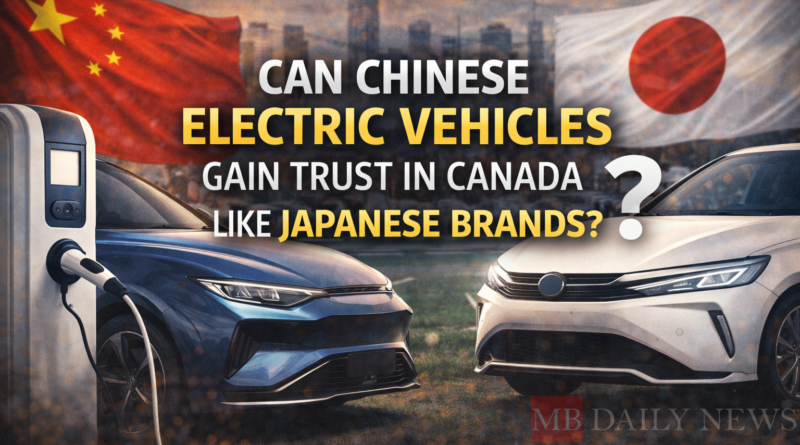
Can Chinese Electric Vehicles Gain Trust in Canada Like Japanese Brands?
MB DAILY NEWS | Raleigh, NC
Canada’s recent move to permit imports of Chinese electric vehicles has sparked a mix of enthusiasm and apprehension. Stakeholders express concerns about potential impacts on local employment and national security. This decision echoes historical moments when foreign automakers entered the Canadian market, particularly during the rise of Japanese brands. The past offers valuable lessons about consumer behavior and market dynamics that could influence the future of electric vehicles in Canada.
Historical Context of Foreign Automakers
In the late 1960s and early 1970s, Japanese automakers like Toyota and Honda began establishing their presence in Canada. Toyota Canada launched in 1964, introducing models that appealed to Canadian consumers. Honda followed in 1969, initially focusing on motorcycles before releasing the Civic, which quickly gained popularity. Despite their eventual success, these brands faced significant backlash from labor unions and policymakers concerned about job security and trade deficits. The initial reception was marked by skepticism regarding the quality and suitability of Japanese vehicles for Canadian conditions.
Consumer Preferences Shift
Despite the initial resistance, Canadian consumers began to embrace Japanese vehicles for their affordability and fuel efficiency. The oil crises of the 1970s further accelerated this trend, as rising fuel prices made efficient vehicles more attractive. While the domestic auto sector struggled with layoffs and restructuring, Japanese brands thrived. This shift in consumer preference highlighted a disconnect between political resistance and market realities, as buyers prioritized value and efficiency over nationalistic concerns.
Political and Economic Tensions
As Japanese vehicles gained market share, political tensions escalated, particularly in regions like Vancouver, a key port for Asian imports. Protests and labor disruptions at ports reflected the economic anxiety surrounding foreign competition. Critics voiced concerns that while these companies sold vehicles in Canada, they did not contribute to local manufacturing. This sentiment resonated with many Canadians who feared losing jobs to foreign imports.
Lessons for Chinese Electric Vehicles
The current landscape for Chinese electric vehicles mirrors the past experiences of Japanese automakers. As Canada opens its doors to these imports, stakeholders must consider the lessons learned from previous foreign entries. Building trust with consumers and policymakers will be crucial for Chinese brands. They will need to demonstrate their commitment to local manufacturing and job creation to alleviate concerns and foster acceptance in the Canadian market.
Future Implications for the Auto Industry
The introduction of Chinese electric vehicles could reshape the Canadian auto industry landscape. As the demand for electric vehicles grows, competition will intensify, prompting domestic manufacturers to innovate. The potential for job creation in the electric vehicle sector may also provide a counterbalance to fears of job losses. Observers will closely monitor how Chinese brands position themselves and whether they can establish a foothold similar to that of Japanese automakers decades ago.
What to Watch Next
As the market evolves, several factors will determine the success of Chinese electric vehicles in Canada. Consumer acceptance will hinge on perceptions of quality, reliability, and value. Additionally, government policies and incentives for electric vehicle adoption will play a significant role in shaping market dynamics. Stakeholders should remain vigilant about how these developments unfold and their implications for both the Canadian economy and the broader auto industry.