
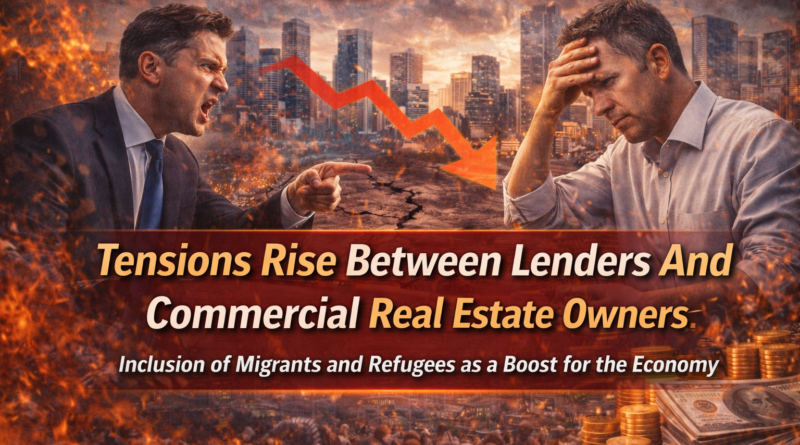
Tensions Rise Between Lenders And Commercial Real Estate Owners
MB DAILY NEWS | Raleigh, NC
Recent developments indicate a growing strain between lenders and commercial real estate owners. Financial institutions are increasingly hesitant to extend credit amid rising economic uncertainties. This shift could significantly impact property owners who rely on loans for operations and expansions. As lenders tighten their belts, many owners may face challenges in maintaining their properties. The implications of this situation could ripple through the broader real estate market. Stakeholders must monitor these dynamics closely to understand potential outcomes.
Market Pressures Intensify
Commercial real estate owners are navigating a landscape marked by heightened market pressures. Economic fluctuations and changing consumer behaviors contribute to this challenging environment. Owners who previously enjoyed favorable lending conditions now find themselves in a precarious position. Many are reevaluating their financial strategies to adapt to the evolving market. The ability to secure financing may determine which businesses can thrive or struggle in the coming months. Observers should watch for shifts in lending policies that could further impact the sector.
Impact on Property Values
The tension between lenders and property owners may lead to fluctuations in property values. As financing becomes more difficult to obtain, some owners may be forced to sell at lower prices. This scenario could create a ripple effect, influencing market valuations across various sectors. Investors may become more cautious, leading to decreased demand for commercial properties. A decline in property values could also affect local economies reliant on real estate transactions. Stakeholders should prepare for potential changes in market dynamics as this situation unfolds.
Congress Addresses Housing Concerns
In parallel, Congress is actively addressing the ongoing housing crisis, which adds another layer of complexity. Legislative efforts aim to alleviate pressures on both renters and homeowners facing financial difficulties. These initiatives could indirectly influence commercial real estate by stabilizing the overall housing market. A more robust housing sector may enhance consumer confidence, benefiting commercial properties as well. Stakeholders should remain informed about legislative developments that could shape market conditions. The intersection of these issues highlights the interconnectedness of real estate sectors.
Future Lending Trends
As lenders reassess their risk exposure, future lending trends may shift significantly. Financial institutions might prioritize borrowers with strong credit histories and stable income streams. This trend could disadvantage newer or smaller businesses seeking to enter the market. Owners must adapt to these changing lending criteria to secure necessary financing. Understanding these trends will be crucial for navigating the evolving landscape. Stakeholders should keep an eye on how lending practices evolve in response to market pressures.
Strategies for Property Owners
Property owners may need to adopt new strategies to cope with the current lending environment. Diversifying income streams and enhancing property management practices could prove beneficial. Additionally, building strong relationships with lenders may help secure favorable terms. Owners should also consider exploring alternative financing options, such as private investors or crowdfunding. These strategies could provide necessary capital while navigating tighter lending conditions. The ability to adapt will be key for owners aiming to sustain their operations.
Monitoring Economic Indicators
Economic indicators will play a vital role in shaping the future of commercial real estate. Owners and investors should closely monitor metrics such as interest rates, employment rates, and consumer spending. These factors will influence both lending practices and property demand. Understanding these indicators can help stakeholders make informed decisions in a fluctuating market. As the economic landscape evolves, staying informed will be essential for success. The interplay between these elements will determine the trajectory of the commercial real estate sector.