
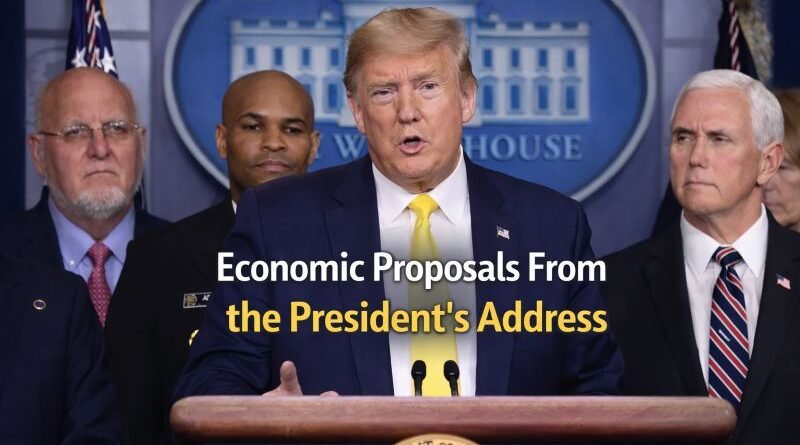
Analyzing Economic Proposals From The President’s Address
MB DAILY NEWS | Raleigh, NC
The President’s recent address emphasized several economic proposals aimed at enhancing the nation’s financial landscape. Key topics included promoting homeownership and increasing government revenue through tariffs. These initiatives reflect a broader strategy to stimulate economic growth and address financial challenges. Understanding the implications of these proposals is crucial for evaluating their potential impact. Stakeholders are keenly observing how these plans will unfold in the coming months. The effectiveness of these measures will likely shape future political discussions and policy decisions.
Focus on Homeownership
Homeownership emerged as a significant theme in the President’s speech, highlighting its importance to the economy. By promoting policies that support home buying, the administration aims to boost the housing market. Increased homeownership can lead to greater economic stability and community development. This focus may resonate with voters who prioritize affordable housing options. Observers will watch for specific policies that could facilitate access to home loans. The success of these initiatives could influence public sentiment and electoral outcomes.
Revenue Generation through Tariffs
The President proposed raising revenue through tariffs, a strategy that has sparked considerable debate. Tariffs can protect domestic industries but may also lead to higher consumer prices. This approach aims to bolster the economy by generating funds for government programs. Critics argue that such measures could strain international trade relations. The administration’s ability to balance these interests will be closely monitored. Stakeholders are particularly interested in how these tariffs will affect various sectors of the economy.
Ending Fraud as a Revenue Strategy
Another key point in the address was the commitment to ending fraud, which the administration views as a means to increase revenue. Reducing fraudulent activities can enhance the integrity of government programs and services. This initiative could lead to significant savings and more efficient use of taxpayer dollars. The potential for increased funding through fraud prevention measures is appealing to many policymakers. Observers will look for specific actions the administration plans to take in this area. The effectiveness of these efforts will be critical in shaping public trust in government operations.
Implications for Economic Policy
The proposals outlined in the President’s address carry significant implications for future economic policy. By focusing on homeownership, tariffs, and fraud prevention, the administration seeks to create a comprehensive economic strategy. These initiatives may influence legislative priorities and funding allocations in Congress. The success of these proposals will depend on bipartisan support and effective implementation. Analysts will track the administration’s progress in achieving these goals. The outcomes could reshape the political landscape and impact upcoming elections.
Public Reaction and Political Landscape
Public reaction to the President’s economic proposals will play a crucial role in their success. Voter sentiment regarding homeownership and tariffs could influence political dynamics. Support or opposition from key interest groups may also affect the administration’s ability to implement these initiatives. The political landscape is likely to shift as stakeholders respond to these proposals. Observers will monitor how these issues resonate with constituents in various regions. The administration’s responsiveness to public feedback will be essential in maintaining support.
Future Developments to Watch
As the administration moves forward with its economic agenda, several developments warrant close attention. Legislative proposals related to homeownership and tariffs will emerge in the coming months. The effectiveness of fraud prevention measures will also be scrutinized. Stakeholders should watch for potential collaborations or conflicts with Congress. The administration’s ability to navigate these challenges will be critical for its economic strategy. Future announcements and policy changes will likely shape the national discourse on economic issues.