
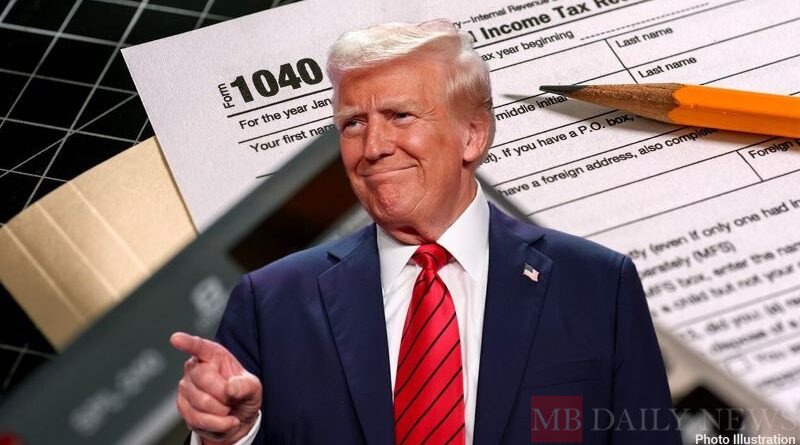
Democrats Propose Major Tax Reforms To Eliminate Federal Income Tax For Many
MB DAILY NEWS | Raleigh, NC
Democratic leaders are considering significant reforms aimed at abolishing federal income tax for a large segment of the population. This initiative could potentially relieve millions from the burden of federal tax obligations. The proposals have ignited discussions among party members regarding their feasibility and implications. As the party navigates these ideas, the focus remains on how such changes would impact the economy and public services. Stakeholders are keenly observing the developments, as they could reshape the tax landscape. The outcome of these discussions may influence future electoral strategies and voter sentiments.
Internal Party Debate
Proposals led by Senators Cory Booker and Chris Van Hollen have sparked a lively debate within the Democratic Party. Some members view these reforms as a necessary step toward economic equity, while others express concerns about potential revenue losses. The discussions highlight differing priorities among party factions, particularly regarding taxation and social welfare. As lawmakers weigh the benefits against the risks, the party’s unity may be tested. Observers are watching closely to see how these debates will shape the party’s platform moving forward. The outcome could significantly influence the party’s appeal to various voter demographics.
Economic Implications
Eliminating federal income tax for millions could have far-reaching economic consequences. Proponents argue that such a move would stimulate consumer spending and boost economic growth. Critics, however, warn that it may lead to funding shortfalls for essential government programs. The potential impact on the federal budget raises questions about how to maintain public services without adequate tax revenue. Policymakers must consider the balance between tax relief and fiscal responsibility. The economic landscape will be a critical factor in determining the viability of these proposals.
Voter Reactions
Public opinion will play a crucial role in shaping the future of these tax reform proposals. Many voters may welcome the idea of reduced tax burdens, especially in challenging economic times. However, skepticism exists regarding the practicality of such sweeping changes. Voter reactions could influence lawmakers’ decisions as they gauge the potential electoral impact. Engaging with constituents will be essential for politicians as they navigate these discussions. Understanding voter sentiment will help shape the party’s approach to tax policy.
Political Strategy
As Democrats explore these tax reforms, political strategy will be paramount. The party must balance ambitious proposals with the need for practical solutions that resonate with voters. Crafting a clear message around these reforms will be essential for garnering support. The internal debate may also reveal divisions that could affect the party’s cohesion heading into future elections. Strategic communication will be vital in presenting a united front while addressing differing viewpoints. Observers will be keen to see how the party navigates these challenges.
Future Legislative Actions
The path forward for these tax proposals remains uncertain as lawmakers deliberate their implications. Legislative action will depend on party consensus and public support. If the proposals gain traction, they could lead to significant changes in tax policy. Lawmakers will need to consider the broader implications for social programs and government funding. The upcoming legislative sessions will be critical for determining the fate of these initiatives. Stakeholders will closely monitor developments as the situation evolves.
Long-term Vision
Ultimately, the discussion around eliminating federal income tax reflects a broader vision for economic reform. Advocates see this as an opportunity to create a more equitable tax system. The long-term implications of such changes could redefine the relationship between citizens and government. As the debate unfolds, the focus will remain on how these reforms align with the party’s overall goals. The potential for transformative change is significant, but so are the challenges ahead. The coming months will be pivotal in shaping the future of tax policy in the United States.