
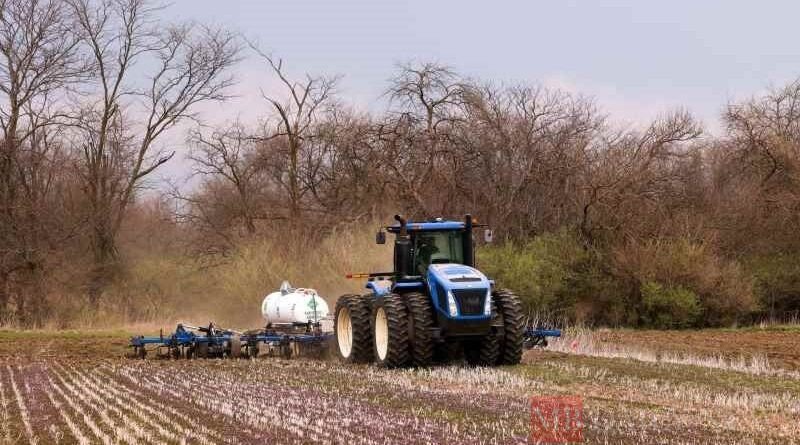
Fertilizer Costs Surge Amid Global Tensions, Impacting Alberta Farmers
MB DAILY NEWS | Raleigh, NC
Fertilizer costs surge as global tensions escalate, particularly due to the ongoing conflict in Iran. Alberta farmers face significant challenges as these rising prices threaten their operations. Analysts warn that prolonged supply disruptions could lead to increased food prices later this spring. The agricultural community is closely monitoring these developments, as they could impact crop yields and profitability. Farmers are concerned about their ability to maintain production levels amid these economic pressures. The situation calls for strategic planning and adaptation in the face of uncertainty.
Impact on Crop Production
Rising fertilizer prices directly affect crop production across Alberta. Farmers rely on these essential inputs to ensure healthy yields and quality produce. As costs increase, many may reconsider their planting strategies or reduce the amount of fertilizer used. This could lead to lower crop outputs, which would further strain the food supply chain. The ripple effects of reduced production could extend beyond local markets, impacting food availability nationwide. Stakeholders must prepare for potential shortages and price hikes in the coming months.
Global Supply Chain Challenges
Global supply chain disruptions continue to create uncertainty in agricultural markets. The conflict in Iran has exacerbated existing issues, leading to delays and shortages in fertilizer availability. Farmers in Alberta are particularly vulnerable to these fluctuations, as they depend on timely access to essential resources. The interconnected nature of global trade means that local farmers are not insulated from international events. As supply chains remain fragile, farmers must adapt to a rapidly changing landscape. Monitoring these global dynamics will be crucial for future planning.
Economic Implications for Farmers
The economic implications of rising fertilizer costs are significant for Alberta farmers. Increased expenses can erode profit margins, making it difficult for farmers to sustain their operations. Many may face tough decisions regarding investments in their farms and future growth. The financial strain could lead to reduced spending in other areas, impacting local economies. Farmers are urged to explore alternative strategies to mitigate these rising costs. Engaging with agricultural cooperatives may provide some relief and support during this challenging period.
Consumer Price Concerns
Consumers should brace for potential increases in food prices as fertilizer costs surge. Higher production costs often translate to elevated prices at grocery stores. Families across Alberta may feel the impact in their budgets as food becomes more expensive. This situation raises questions about food security and accessibility for vulnerable populations. As the agricultural sector navigates these challenges, consumer awareness will be essential. Understanding the root causes of price increases can foster greater empathy and support for local farmers.
Future Outlook for Agriculture
The future outlook for agriculture in Alberta hinges on several factors, including fertilizer prices and global stability. Farmers must remain agile and responsive to changing conditions in the market. Innovations in sustainable farming practices may offer pathways to reduce reliance on traditional fertilizers. Collaboration among farmers, policymakers, and industry experts will be vital in addressing these challenges. As the situation evolves, stakeholders should prioritize resilience and adaptability. Keeping a close eye on market trends will help farmers navigate the complexities ahead.
Community Support and Resources
Community support plays a crucial role in helping farmers cope with rising fertilizer costs. Local agricultural organizations can provide resources and guidance to navigate these challenges. Networking with fellow farmers can foster collaboration and shared solutions. Educational workshops may offer insights into alternative farming practices and cost-saving measures. Engaging with local governments can also lead to initiatives that support the agricultural sector. Building a strong community network will be essential for resilience in the face of adversity.