
Senate Democrats Halt Funding for Homeland Security Amid Immigration Dispute
MB DAILY NEWS | Raleigh, NC
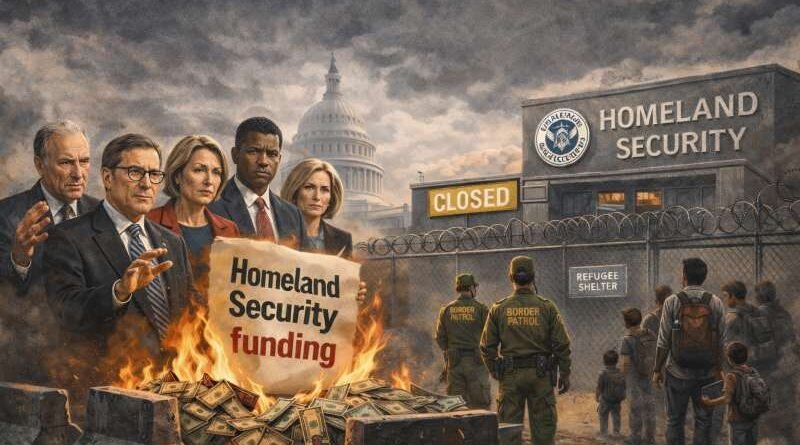
Homeland Security funding: Senate Democrats have taken a significant step by blocking funding for Homeland Security. This decision stems from ongoing disagreements regarding immigration enforcement measures. Lawmakers expressed concerns that negotiations with Republican counterparts have not progressed sufficiently. The impasse raises questions about the future of immigration policy and national security. As discussions continue, the potential for a government shutdown looms larger. Stakeholders are closely monitoring the situation for any signs of compromise.
Political Implications of the Stalemate
The current deadlock over Homeland Security funding highlights deep divisions within Congress. Democrats seek to impose new restrictions on immigration enforcement, while Republicans oppose such measures. This conflict reflects broader national debates about immigration policy and border security. The inability to reach an agreement could lead to significant disruptions in government operations. Observers note that a shutdown would affect various services and programs. The political fallout from this standoff may influence upcoming elections.
Negotiation Challenges
Negotiations between the two parties have proven challenging and complex. Democrats emphasize the need for stricter immigration enforcement limits, while Republicans prioritize funding without additional conditions. Each side’s unwillingness to compromise complicates the path forward. Lawmakers have expressed frustration over the lack of progress in talks. The stakes are high, as a failure to secure funding could have immediate consequences. Both parties must navigate their positions carefully to avoid a shutdown.
Public Reaction and Stakeholder Concerns
The public’s response to the funding block has been mixed, with many expressing concern over potential government disruptions. Advocacy groups are particularly vocal about the implications for immigration policy. They argue that any new restrictions could harm vulnerable populations seeking asylum. Conversely, some constituents support stricter immigration measures, reflecting a divided public opinion. Stakeholders are keenly aware of the potential backlash from their respective bases. This division complicates the political landscape as negotiations continue.
Future of Immigration Policy
The ongoing discussions about Homeland Security funding are pivotal for the future of U.S. immigration policy. Lawmakers must consider the broader implications of their decisions on national security and humanitarian issues. The outcome of these negotiations could set precedents for future immigration legislation. Observers are particularly interested in how this situation will evolve in the coming weeks. The potential for a compromise remains, but it requires both sides to make concessions. The stakes are high, and the nation is watching closely.
Impact on Government Operations
A shutdown of Homeland Security would have far-reaching effects on government operations. Essential services related to border security and immigration processing could face significant disruptions. Employees may be furloughed, leading to delays in critical functions. The ripple effects could extend to various sectors reliant on government oversight and support. Lawmakers must weigh the consequences of their actions on everyday citizens. The urgency of reaching an agreement becomes increasingly apparent as deadlines approach.
Looking Ahead: What to Watch
As the situation unfolds, several key factors will influence the outcome of the funding debate. Lawmakers’ willingness to negotiate and compromise will be crucial. The political climate leading up to upcoming elections may also play a significant role. Observers should pay attention to any shifts in public opinion that could affect negotiations. The potential for bipartisan support exists, but it requires careful navigation of contentious issues. The coming weeks will be critical in determining the future of Homeland Security funding.