
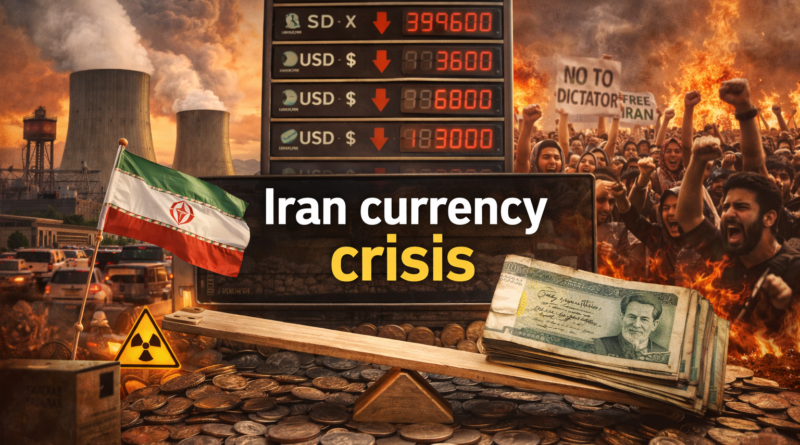
Iran Currency Crisis Deepens as Nuclear Talks Stall and Protests Grow
Iran’s Nuclear Stance Fuels Rial Slide as Protests Grow and Sanctions Bite
MB Daily News – Los Angeles, CA

Iran’s refusal to scale back its nuclear program is colliding with intensifying economic pressure, helping trigger a renewed currency shock that has sent the rial to fresh lows and fueled protests across the country. Traders and households say rising prices and tightening controls are squeezing daily life, while Western sanctions continue to restrict Iran’s ability to trade, bank, and stabilize its currency.
Rial Hits Historic Lows as Market Activity Freezes
The first signs of strain emerged late December when merchants near Tehran’s main bazaar reportedly shut their stalls early, arguing the fast-moving exchange rate made normal business impossible. As the rial weakened, many importers paused purchases altogether, citing losses on every sale and uncertainty around replacement costs.
Why Iran’s Currency Crisis Is Different
Iran is not a typical candidate for a sudden currency meltdown. The country is energy-rich and has a highly educated population. But analysts argue the core of Iran’s economic challenge is political: Tehran maintains a nuclear program it says is designed for civilian energy, while the U.S. and allies fear it could enable weapons capability—keeping sanctions in place and limiting access to international finance.
Nuclear Talks Stall as Pressure Builds
Diplomatic efforts to limit Iran’s uranium enrichment have produced little progress, according to political analysts. Negotiations have remained strained amid ongoing security concerns and heightened regional tensions. Without a deal, experts warn Iran could face deeper insolvency risks, repeated protest cycles, and increased reliance on force rather than reform to maintain control.
Inflation Surges, Households Feel the Hit
As the currency weakens, inflation tends to accelerate—particularly for food and imported goods. Reports from inside Iran describe sharp increases in staple prices, with families adjusting spending and merchants reducing inventory due to rapid price swings. With purchasing power eroding, public anger has grown among students and working households concerned about jobs, wages, and basic costs.

Sanctions Restrict Access to Banks and Foreign Reserves
Iran’s ability to defend its currency is constrained by sanctions that limit trade and international banking. Even when foreign exchange reserves exist, accessing and transferring funds can be difficult due to compliance restrictions at international banks. That dynamic can amplify market panic and accelerate depreciation during periods of political uncertainty.
Oil Wealth Offers Limited Relief Under Export Restrictions
While Iran holds major crude oil and natural gas reserves, export limits and embargo pressures reduce the government’s ability to generate stabilizing revenue at scale. Analysts say that gap leaves policymakers with fewer tools to protect household purchasing power, fund subsidies, and calm markets during currency stress.
Subsidy Cuts and Policy Shifts Increase Public Friction
Officials have signaled changes to currency and subsidy systems, including reducing discounted foreign exchange allocations that critics say often benefit well-connected firms. At the same time, fuel and other subsidies face pressure as the government seeks to conserve funds—moves that can increase hardship for lower-income households and raise political risks during protest periods.
Protests Expand as Leaders Face Hard-Line Constraints
While authorities have indicated they will address economic concerns, Iran’s political system has become more dominated by hard-liners, limiting flexibility for major policy shifts. Analysts note that protest movements historically rise during periods of currency distress, especially when daily costs outpace wage growth and youth unemployment remains elevated.
What Happens Next for Iran’s Economy
Iran’s near-term outlook may depend on whether diplomatic channels reopen and whether policymakers can slow inflation without triggering wider unrest. Many observers argue that as long as sanctions remain tight and nuclear negotiations remain stalled, the rial will remain vulnerable to renewed selloffs—especially during political shocks.