
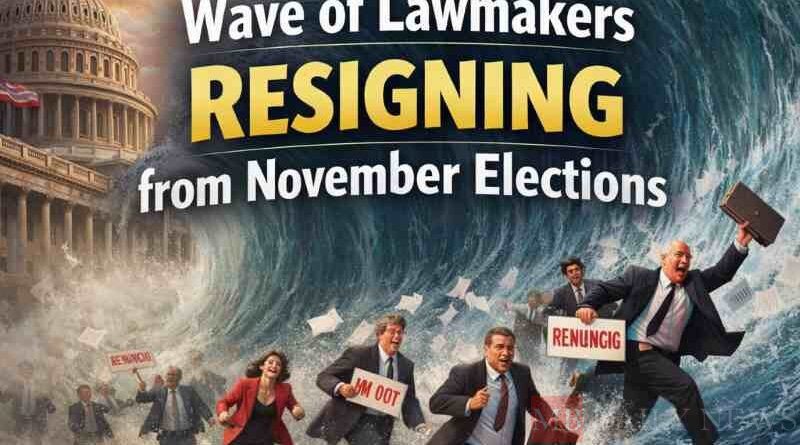
A Surge Of Lawmakers Opting Out Of November Elections
MB DAILY NEWS | Raleigh, NC
Lawmakers opting out: A notable trend has emerged as numerous lawmakers announce their decision not to seek re-election this November. This development has the potential to reshape the political landscape significantly. With enough representatives stepping back, the situation mirrors the roster of multiple basketball teams. Observers are keenly watching how this trend may influence party dynamics and voter engagement. The implications extend beyond individual races, affecting overall legislative agendas. Stakeholders are now considering the long-term effects of this wave of departures.
Impact on Political Landscape
The decision of many lawmakers to refrain from running again signals a shift in the political environment. This trend could lead to increased competition among candidates vying for open seats. New faces may bring fresh perspectives, but they also introduce uncertainty regarding policy continuity. Political parties must adapt their strategies to attract and retain voter support amid these changes. The absence of seasoned lawmakers may create gaps in experience that could affect legislative effectiveness. Observers will monitor how parties respond to this evolving scenario.
Trump’s Influence on Legal Matters
In a related political maneuver, former President Trump intervened to reverse a Department of Justice decision regarding his law firm’s sanctions. This action highlights Trump’s ongoing influence within the Republican Party and the legal landscape. His direct involvement raises questions about the balance of power between the executive branch and judicial proceedings. Legal experts are analyzing the potential ramifications of this decision on future cases involving political figures. The move may also energize Trump’s base, reinforcing his position as a key player in party politics. Stakeholders are watching for further developments in this legal saga.
Senate Filibuster Changes
Senator John Cornyn’s support for altering filibuster rules adds another layer to the current political discourse. His backing suggests a willingness among some lawmakers to reconsider longstanding procedural norms. Changes to the filibuster could significantly impact legislative processes and the passage of key bills. This shift may reflect broader frustrations with gridlock in Congress, prompting calls for reform. Observers are interested in how this stance will resonate with both party leadership and constituents. The outcome of these discussions could reshape legislative strategies moving forward.
Voter Engagement Concerns
The wave of lawmakers opting out raises concerns about voter engagement in the upcoming elections. With many familiar names stepping aside, voters may feel disconnected from the electoral process. This situation presents an opportunity for new candidates to connect with constituents and energize the electorate. Campaign strategies will need to focus on building relationships and addressing voter concerns. Political analysts are considering how this dynamic might affect turnout rates and overall election outcomes. Engaging voters will be crucial for candidates seeking to fill the void left by departing lawmakers.
Future Legislative Agendas
The departures of numerous lawmakers could lead to shifts in future legislative agendas. New representatives may prioritize different issues based on their backgrounds and constituencies. This change could alter the focus of Congress, impacting everything from healthcare to education policy. Political parties will need to recalibrate their platforms to align with the evolving priorities of their new members. Observers are keen to see how these changes will influence bipartisan cooperation and legislative effectiveness. The next few months will be critical in shaping the future of U.S. Governance.
Long-Term Political Implications
The trend of lawmakers opting out may have lasting implications for the political landscape. As new candidates emerge, the balance of power within Congress could shift significantly. This situation invites speculation about the future direction of both major parties. Voter sentiment will play a crucial role in determining the success of these new entrants. Political analysts will closely monitor how these changes affect party loyalty and voter turnout. The evolving political dynamics will require adaptability from all stakeholders involved.