
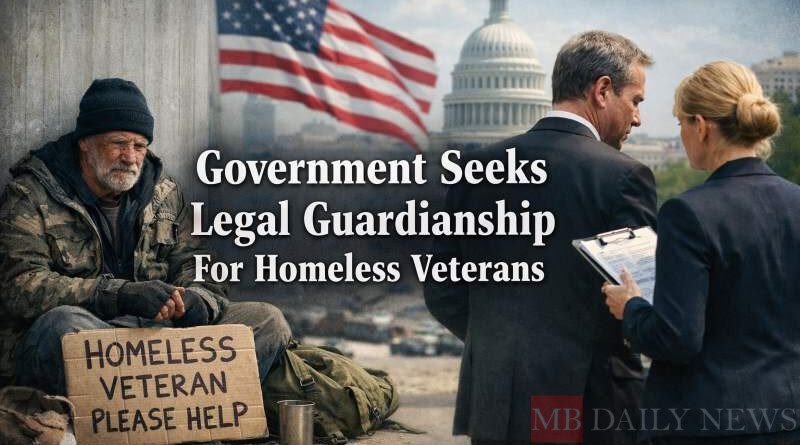
Government Seeks Legal Guardianship For Homeless Veterans
MB DAILY NEWS | Raleigh, NC
Recent actions by the government focus on providing legal guardianship for homeless veterans. This initiative seeks to assist veterans who struggle to make their own healthcare decisions. The collaboration with the Justice Department highlights a growing concern for the welfare of these individuals. Many veterans face significant challenges that hinder their ability to manage personal health matters. This program aims to ensure that those who cannot advocate for themselves receive necessary support. Observers will watch closely to see how this initiative unfolds and its impact on veterans’ lives.
Understanding the Initiative
This initiative represents a significant shift in how the government addresses the needs of homeless veterans. By establishing legal guardianship, officials aim to protect vulnerable individuals who may be unable to care for themselves. The program intends to streamline access to healthcare and other essential services. Legal guardians can make informed decisions on behalf of veterans, ensuring they receive appropriate medical attention. This approach reflects a broader commitment to improving the quality of life for those who have served the nation. Stakeholders will be keen to evaluate the effectiveness of this strategy in the coming months.
Challenges Faced by Homeless Veterans
Homeless veterans often encounter numerous obstacles that complicate their healthcare access. Many struggle with mental health issues, substance abuse, or physical disabilities that impair their decision-making abilities. These challenges can lead to a cycle of neglect and worsening health conditions. The new guardianship initiative aims to break this cycle by providing necessary support. By addressing these barriers, the government hopes to improve overall health outcomes for this population. Observers will monitor how effectively the program addresses these persistent issues.
Legal Framework and Implementation
The legal framework for this initiative will require careful consideration and planning. Establishing guardianship involves navigating complex legal processes that vary by state. The Justice Department’s involvement suggests a coordinated effort to create a uniform approach. This could facilitate smoother implementation across different jurisdictions. Ensuring that guardianship is granted appropriately will be crucial for the program’s success. Stakeholders will likely advocate for transparency and accountability in the process.
Potential Impact on Healthcare Access
Legal guardianship could significantly enhance healthcare access for homeless veterans. With guardians in place, veterans may receive timely medical care and necessary treatments. This could lead to improved health outcomes and a better quality of life. Additionally, guardians can help veterans navigate the complexities of the healthcare system. This support may reduce the burden on emergency services and hospitals. The long-term effects of this initiative on healthcare utilization will be an important area to watch.
Community and Veteran Support
Community organizations play a vital role in supporting homeless veterans. They often provide resources and assistance that complement government initiatives. Collaboration between these organizations and the government can enhance the effectiveness of the guardianship program. Engaging local communities will be essential for identifying veterans in need of guardianship. This partnership can foster a more comprehensive support network. Observers will look for signs of successful collaboration in the implementation of this initiative.
Looking Ahead: Future Developments
As the government moves forward with this guardianship initiative, future developments will be closely monitored. The effectiveness of the program will depend on its ability to adapt to the needs of homeless veterans. Feedback from veterans and community organizations will be crucial in shaping its direction. Policymakers may need to make adjustments based on initial outcomes and challenges encountered. The ongoing commitment to supporting homeless veterans will remain a priority. Stakeholders will continue to advocate for policies that address the root causes of homelessness among veterans.