
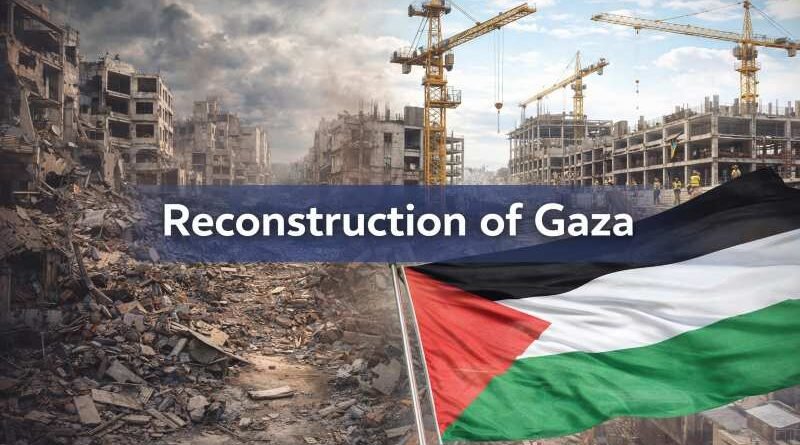
Is Rapid Reconstruction of Gaza a Feasible U.S. Vision?
MB DAILY NEWS | Raleigh, NC:
The reconstruction of Gaza remains a contentious topic among international stakeholders. Many question whether the ambitious plans proposed can materialize effectively. The region’s complex political landscape complicates efforts to rebuild. Observers note that previous initiatives have often faltered due to various challenges. The urgency for reconstruction grows as humanitarian needs escalate. Stakeholders must navigate these complexities to find viable solutions.
Challenges in the Reconstruction of Gaza
Rebuilding Gaza faces numerous obstacles, including political instability and resource shortages. The ongoing conflict has left infrastructure in ruins, complicating recovery efforts. International aid often encounters bureaucratic hurdles that delay progress. Local governance issues further hinder effective reconstruction initiatives. Many residents remain skeptical about the feasibility of proposed plans. Addressing these challenges is crucial for any successful rebuilding effort.
International Perspectives on Gaza’s Future
Global perspectives on Gaza’s reconstruction vary significantly among nations. Some countries advocate for immediate aid and investment, while others emphasize political solutions first. The U.S. has expressed interest in facilitating reconstruction, but skepticism persists. Critics argue that without addressing underlying issues, efforts may prove futile. The international community must unite to support a sustainable rebuilding framework. Collaboration will be essential to ensure long-term stability in the region.
Humanitarian Needs and Reconstruction Efforts
The humanitarian crisis in Gaza intensifies as reconstruction discussions unfold. Many residents lack basic necessities, including clean water and medical care. Immediate relief efforts are crucial to alleviate suffering while long-term plans develop. Aid organizations emphasize the need for coordinated responses to meet urgent needs. Balancing immediate relief with reconstruction is a delicate task. Stakeholders must prioritize both to foster a sense of hope among residents.
Potential Economic Impacts of Reconstruction
Reconstruction of Gaza could have significant economic implications for the region. Revitalizing infrastructure may create jobs and stimulate local economies. However, economic recovery hinges on political stability and security. Investors may hesitate to commit resources without assurances of safety. The potential for economic growth exists, but it requires a conducive environment. Stakeholders must work together to create conditions favorable for investment.
Monitoring Progress and Accountability
Monitoring the progress of Gaza’s reconstruction will be vital for accountability. Stakeholders must establish clear benchmarks to assess the effectiveness of initiatives. Transparency in funding and resource allocation will build trust among residents. Regular updates on progress can help maintain international interest and support. Engaging local communities in the process will enhance accountability. Ensuring that efforts align with the needs of residents is essential for success.
Looking Ahead: What’s Next for Gaza?
The future of Gaza’s reconstruction remains uncertain as discussions continue. Stakeholders must address both immediate and long-term needs to foster recovery. The international community’s role will be crucial in shaping the outcome. Observers will watch closely for signs of progress or setbacks. The potential for a renewed Gaza exists, but it requires concerted efforts. The coming months will be critical in determining the path forward.