
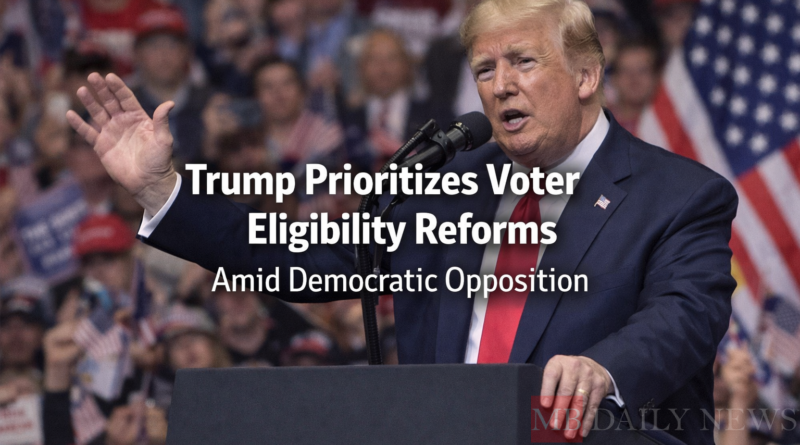
Gop’s Save America Act Sparks Division Over Voter Eligibility Rules
MB DAILY NEWS | Raleigh, NC
Debate intensifies within the Republican Party as the Save America Act proposes stringent voter eligibility rules. This legislation aims to significantly limit mail-in voting, stirring controversy among party members. The upcoming Senate vote on the bill is expected to highlight these internal divisions. As discussions unfold, the implications for future elections loom large. The party’s approach to voter access could reshape its electoral strategy. Observers are keenly watching how this vote will influence Republican unity.
Internal Party Divisions
Republicans face a growing rift regarding the proposed changes to voting regulations. Some members advocate for stricter measures to enhance election integrity. Others argue that such restrictions could alienate voters and hinder electoral success. This division reflects broader national debates about voting rights and access. The outcome of the Senate vote may set a precedent for future legislation. Party leaders must navigate these conflicting viewpoints carefully.
Impact on Mail-in Voting
The Save America Act seeks to curtail mail-in voting, a method that gained popularity during the pandemic. Proponents believe that limiting this option will reduce potential fraud. Critics warn that such restrictions could disenfranchise many voters, particularly those in remote areas. The effectiveness of mail-in ballots in increasing voter participation is a key concern. As states consider similar measures, the national conversation on voting access continues to evolve. Stakeholders are closely monitoring the potential fallout from these proposed changes.
Electoral Strategy Considerations
As the GOP grapples with voter eligibility rules, its electoral strategy hangs in the balance. The party must weigh the benefits of stricter voting laws against the risk of losing support. This legislation could energize the base but may also deter moderate voters. The implications for upcoming elections are significant, especially in competitive districts. Republican leaders must find a balance that maintains party unity while appealing to a broader electorate. The decisions made now will resonate in future campaigns.
Public Reaction and Advocacy
Public response to the Save America Act has been mixed, reflecting the polarized political climate. Advocacy groups are mobilizing to oppose the bill, arguing it undermines democratic principles. Supporters of the legislation claim it is necessary for safeguarding elections. The contrasting viewpoints highlight the ongoing struggle over voting rights in the U.S. As the Senate vote approaches, public opinion may influence lawmakers’ decisions. Activists are preparing to amplify their messages in response to the bill’s progress.
Future Legislative Implications
The outcome of the Save America Act could set the stage for future legislative battles over voting rights. If passed, it may inspire similar measures in other states, further entrenching partisan divides. Lawmakers will need to consider the long-term effects of such policies on voter turnout. The national landscape of voting regulations is likely to shift significantly. Observers are keen to see how this legislation will affect the Republican Party’s standing in upcoming elections. The implications for democracy and voter access remain critical points of discussion.
What Lies Ahead for the GOP
The GOP’s internal conflict over voter eligibility rules raises questions about its future direction. As party members debate the merits of the Save America Act, the stakes are high. The Senate vote will reveal not only party unity but also the broader electoral strategy moving forward. Voter access remains a contentious issue that could define the party’s identity. How Republicans navigate these challenges will shape their political landscape for years to come. The implications of this legislation will be felt well beyond the current election cycle.