
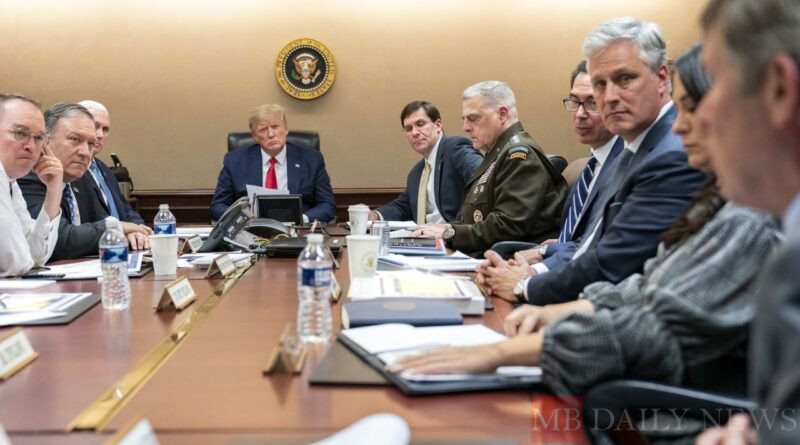
White House Adjusts Messaging Amid Changing Events In Iran
MB DAILY NEWS | Raleigh, NC
Recent developments in Iran have prompted a notable shift in the White House’s communication strategy. As the situation evolves, officials are recalibrating their messages to align with the changing landscape. This adjustment reflects a broader effort to maintain clarity and coherence in U.S. Foreign policy. Observers are keenly watching how these changes will influence international relations. The implications for diplomatic negotiations could be significant. Stakeholders are particularly interested in the administration’s next steps.
Impact on U.S. Foreign Policy
The evolving circumstances in Iran raise questions about the future direction of U.S. Foreign policy. Analysts suggest that the administration’s response will shape its credibility on the global stage. A consistent message is crucial for maintaining alliances and addressing regional tensions. The administration’s approach may also affect its standing with domestic audiences. As public opinion shifts, leaders must navigate these complexities carefully. Future diplomatic efforts will likely reflect the outcomes of this strategic messaging.
Domestic Political Reactions
Domestic political figures are closely monitoring the White House’s stance on Iran. Reactions from both parties could influence upcoming elections and legislative agendas. Some lawmakers may leverage the situation to bolster their positions on foreign policy. The administration’s messaging will play a critical role in shaping public perception. Political analysts are assessing how these developments might impact voter sentiment. The interplay between foreign events and domestic politics remains a focal point for many observers.
Trump’s Influence on GOP Dynamics
Former President Trump continues to assert his influence within the Republican Party amid these developments. His inquiries about potential successors to the MAGA legacy highlight ongoing tensions within the party. Figures like Vance and Rubio are emerging as key players in this narrative. The competition for leadership roles could reshape the party’s future direction. Trump’s engagement in these discussions signals his desire to remain relevant in political discourse. Observers are watching how this internal rivalry unfolds.
Strategic Messaging Challenges
Crafting effective messaging during international crises presents unique challenges for the White House. Officials must balance transparency with strategic considerations to avoid missteps. The need for clear communication becomes even more pronounced as events unfold rapidly. Misalignment in messaging can lead to confusion both domestically and internationally. The administration’s ability to navigate these challenges will be crucial for its credibility. Stakeholders are keen to see how the White House addresses these complexities moving forward.
International Reactions to U.S. Messaging
Global leaders are closely observing the U.S. Response to the situation in Iran. Their reactions may influence diplomatic relations and international cooperation. Allies and adversaries alike are assessing the implications of the White House’s messaging. The potential for shifts in alliances could arise from these developments. Understanding how other nations interpret U.S. Actions will be essential for future negotiations. The international community remains vigilant as events continue to unfold.
Looking Ahead: What to Expect
As the situation in Iran progresses, the White House’s messaging will likely evolve further. Analysts anticipate that upcoming statements will reflect ongoing assessments of the crisis. The administration’s approach will be critical in shaping both domestic and international perceptions. Future developments may prompt additional adjustments in strategy. Observers will be watching for signs of how these changes impact broader geopolitical dynamics. The unfolding narrative will remain a key area of focus in the coming weeks.