
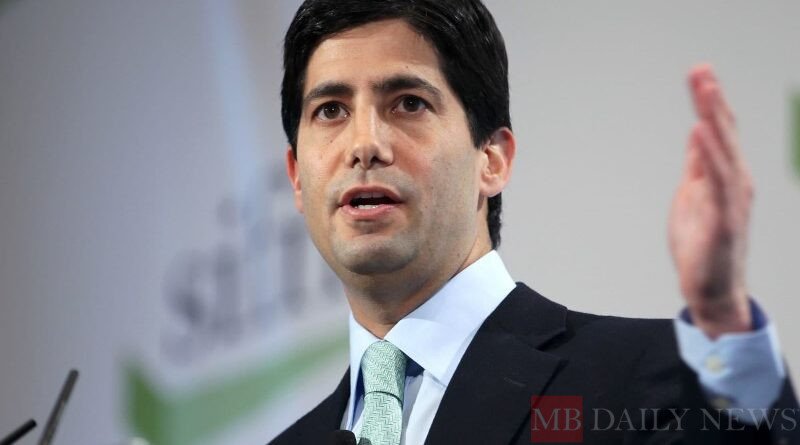
Kevin Warsh’s Dilemma as Fed Chair Nominee Amid the Iran War
President Donald Trump nominated Kevin Warsh to lead the U.S. Federal Reserve, sparking major debate across Washington and global financial markets. The nomination arrives as Trump pushes for faster interest rate cuts to stimulate the U.S. economy. However, the ongoing conflict involving Iran has increased uncertainty across global financial markets. These geopolitical tensions could complicate Warsh’s Senate confirmation and future monetary policy decisions.
A New Leader for the Federal Reserve
President Donald Trump recently nominated Kevin Warsh, a former Federal Reserve governor, to replace Jerome Powell when his term ends in May. The decision reflects Trump’s desire for a more flexible monetary policy and faster interest rate cuts to stimulate economic growth.
Warsh brings experience from Wall Street, government, and the Federal Reserve itself, making him a candidate with strong credentials. However, economists and lawmakers have warned that the next Fed chair must demonstrate the ability to maintain the central bank’s independence despite political pressure. The Iran War Complicates the Economic Outlook. The international context is not favorable for the potential future Fed chair. The conflict involving Iran has triggered volatility in global markets and a sharp rise in energy prices, which could increase inflationary pressures.
Higher oil and gasoline prices have already led investors to scale back expectations for short-term interest rate cuts, as rising energy costs typically push inflation higher.
This situation places Warsh in a difficult position: lower rates to stimulate the economy or keep them elevated to control inflation driven by the conflict.
Energy Inflation: The Biggest Barrier to Rate Cuts
Economic analysts warn rising geopolitical tensions in the Middle East could directly impact U.S. monetary policy and global financial stability. If oil prices continue climbing, central banks, including the Federal Reserve, may need to maintain higher interest rates longer. Higher energy costs often spread across transportation, manufacturing, and consumer goods throughout the broader economy. These inflation pressures could limit the Federal Reserve’s ability to cut rates quickly despite economic slowdown concerns.
A Difficult Road in the Senate
Beyond the economic challenges, Warsh also faces political hurdles in the Senate confirmation process. Some lawmakers remain skeptical about his approach to monetary policy and his potential alignment with the White House’s economic agenda.
Without strong bipartisan backing in the Senate Banking Committee, Kevin Warsh’s nomination may face delays and heightened scrutiny before advancing to a full Senate vote.
Debate Over the Federal Reserve’s Independence
Warsh’s nomination has reignited a long-standing debate in the United States: the independence of the Federal Reserve from political influence.
Critics warn the new Fed chair could face pressure to cut interest rates in line with the administration’s political priorities. Supporters argue Kevin Warsh’s previous experience at the Federal Reserve shows he understands the importance of protecting the institution’s independence, credibility, and long-standing tradition of policy autonomy.
What Warsh’s Nomination Means for the Global Economy
The Federal Reserve is widely considered the world’s most influential central bank, meaning changes in its leadership can have far-reaching consequences.
If Warsh is confirmed, he will have to navigate three powerful forces simultaneously:
- Political pressure to cut interest rates
- Inflation risks linked to the Iran conflict
- The need to preserve the credibility and independence of the Fed
Geopolitical tensions are rising as energy prices climb and political debates intensify in Washington. These pressures are reshaping expectations for U.S. economic policy. Kevin Warsh’s potential leadership at the Federal Reserve comes during a period of global uncertainty. His tenure could become one of the most challenging eras for modern U.S. monetary policy.