
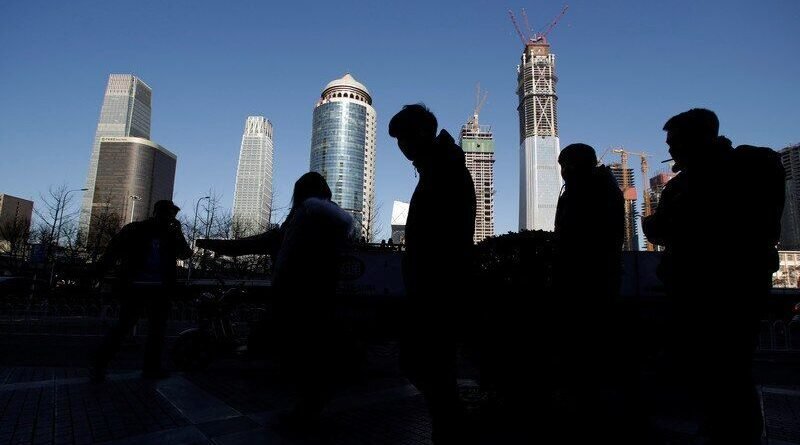
Asia Faces Economic Adjustments and Rising Geopolitical Tensions
Asia is experiencing a period of moderate economic slowdown, with uneven growth among its leading economies. While countries such as India and Vietnam continue to post strong expansion rates, others—including China and Japan—are facing challenges related to domestic consumption, investment, and aging populations.
Governments across the region have begun implementing measures to stimulate economic activity, strengthen local production, and reduce reliance on external markets amid ongoing global uncertainty.
Geopolitical tensions and regional security
Asia’s political landscape remains shaped by geopolitical tensions, particularly in the South China Sea and on the Korean Peninsula. Territorial disputes, military buildups, and joint exercises among regional powers continue to draw international attention.
Analysts warn that these tensions could disrupt regional trade and global supply chains, areas in which Asia plays a strategic role.

U.S. and China Resume Trade Talks in Switzerland
U.S. and China Treasury Secretary Scott Bessent and Trade Representative Jamieson Greer will travel to Switzerland…
Technology and innovation as key drivers
Despite these challenges, Asia continues to consolidate its position as a global hub for technological innovation. Countries such as South Korea, Japan, and China are leading advancements in semiconductors, artificial intelligence, and renewable energy—sectors considered critical for long-term growth.
Technological competition between Asia and other regions is intensifying, driving investment and reshaping strategic alliances.
Social and demographic challenges
The region is also confronting significant social and demographic challenges, including population aging, internal migration, and economic inequality. Asian governments are adjusting public policies to address these shifts, particularly in employment, education, and health care systems.
Asia on the global stage
In an increasingly interconnected world, Asia continues to play a central role in the global economy, international politics, and regional security. Decisions made by the region’s key players in the coming months will be critical in shaping the global economic and geopolitical balance.