
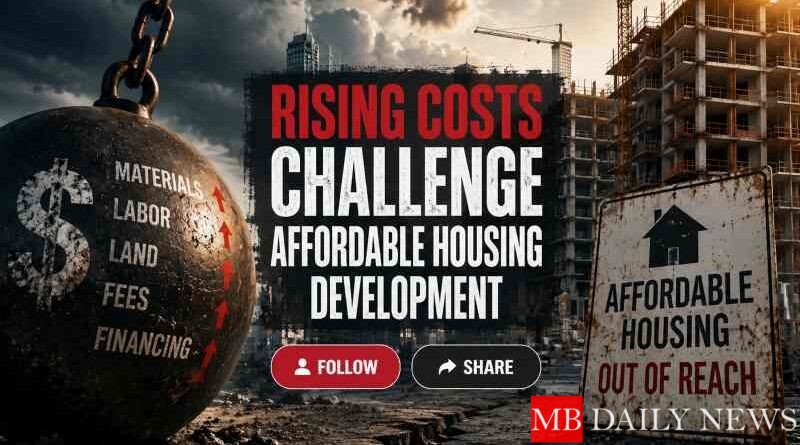
Rising Costs Challenge Affordable Housing Development
MB DAILY NEWS | Raleigh, NC.
Affordable housing development: Affordable housing developers are facing unprecedented challenges as they grapple with soaring operating costs and dwindling resources. A recent report highlights how these pressures are reshaping the landscape of affordable housing.
In a recent investigative report, I took a closer look at the findings from the Local Initiatives Support Corporation (LISC), which outlines the multifaceted obstacles confronting affordable housing developers today.
Affordable housing development: Major Headwinds Facing Developers
The LISC report identifies five critical headwinds impacting affordable housing: supply constraints, rising insurance premiums, escalating utility costs, inflation, and overall increases in operating expenses. These elements collectively hinder developers’ ability to create and maintain affordable housing units.
“When you have this multitude of factors that are happening all together, what started out quiet now becomes a noisy storm,” White explained. “There’s not a lot of cushion to absorb these market changes.”
Supply Constraints and Expiring Affordability
One of the most pressing issues highlighted in the report is the chronic underbuilding of housing, coupled with the expiration of affordability restrictions on existing units.
This trend not only diminishes the available stock of affordable homes but also exacerbates the housing crisis. Economists widely agree that the current housing shortage is a significant barrier to achieving housing equity.
“In my reporting, this development appears more consequential once it is placed alongside similar national tensions.”
Impact of Rising Costs
In addition, As costs rise across the board, the implications for both developers and potential tenants are stark. Higher insurance premiums and utility costs directly affect the bottom line for developers, forcing them to reconsider their projects or scale back on the number of affordable units they can provide.
The impact of inflation further complicates matters, as it erodes purchasing power and increases the cost of materials needed for construction.
“The cost increases make it increasingly difficult to develop and preserve affordable housing at the scale needed to meet demand.”
Policy Responses and Future Plans
In response to these challenges, LISC has announced plans to allocate over $5 billion by 2027 to support the development of 57,000 affordable housing units. This funding aims to bolster the efforts of developers facing these headwinds.
Broader Patterns and Implications
At the same time, The struggles of affordable housing developers are not isolated; they reflect broader national trends in housing policy and economic stability. As cities grapple with rising costs and shrinking supplies, the need for innovative solutions becomes increasingly urgent.
Looking Ahead
The current landscape for affordable housing development signals a crucial moment for policymakers and stakeholders. Without significant intervention and support, the challenges outlined in the LISC report could hinder progress in addressing the housing crisis.
As the situation evolves, it will be essential for communities to rally around solutions that prioritize affordable housing, ensuring that future generations have access to safe and stable homes.