
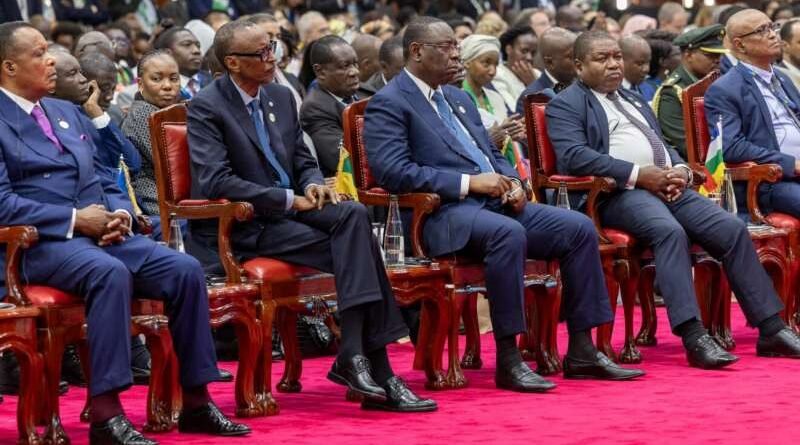
Africa Redefines Its Global Role Amid Economic Reforms and Key Political Shifts
Africa is undergoing a period of economic and political transformation that is drawing increased attention from the international community. Several countries across the continent have accelerated structural reforms aimed at stabilizing their economies, attracting foreign investment, and strengthening sustainable growth.
Governments in key regions have implemented fiscal adjustments, renegotiated external debt, and promoted strategic sectors such as energy, mining, agriculture, and technology, seeking to reduce reliance on raw materials and diversify their economies.
Political changes shape regional stability
On the political front, Africa is experiencing a phase of institutional realignments, with recent elections, power transitions, and constitutional reforms taking place in various countries. These developments have generated both expectations of greater stability and concerns over governance and security in some areas.
International organizations are closely monitoring these changes, recognizing that political stability is a critical factor for economic development and market confidence.
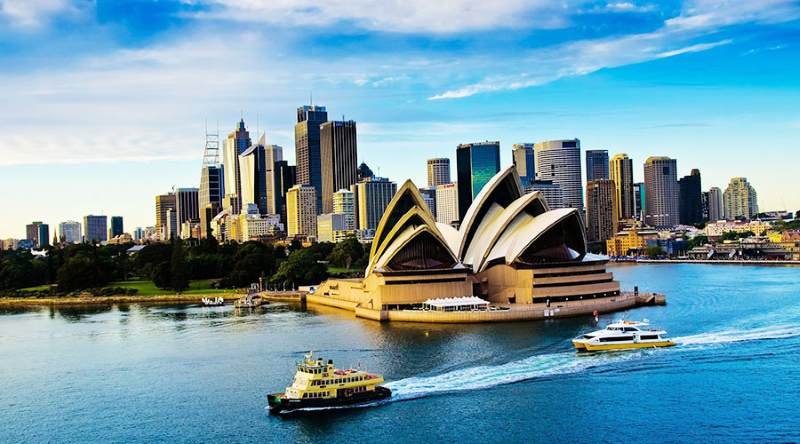
Economy Housing and Climate The Pillars Shaping Australia’s Current Agenda
Australia is going through a period of moderate economic growth, marked by efforts from the government and the Reserve Bank of Australia.
Regional trade and global integration
One of the most significant developments is the strengthening of the African Continental Free Trade Area (AfCFTA), considered one of the most ambitious trade initiatives in the world. The agreement aims to boost intra-African trade, reduce tariff barriers, and position Africa as a more integrated player in the global economy.
Experts note that if fully implemented, AfCFTA could transform supply chains, encourage industrialization, and enhance the continent’s competitiveness.
Africa and global challenges
Africa is also playing an increasingly important role in global issues such as energy transition, food security, and climate change. The continent holds strategic resources, including critical minerals essential for clean technologies, which has increased its geopolitical relevance.
However, Africa continues to face persistent challenges, including inflation, high debt levels, social inequality, and the economic impacts of climate change.
Outlook for the coming months
Analysts agree that Africa’s future will depend on its ability to consolidate political stability, deepen economic reforms, and harness its demographic and productive potential. In a global context shaped by geopolitical tensions, Africa is emerging as a key region whose trajectory will have a direct impact on global economic and political dynamics.