
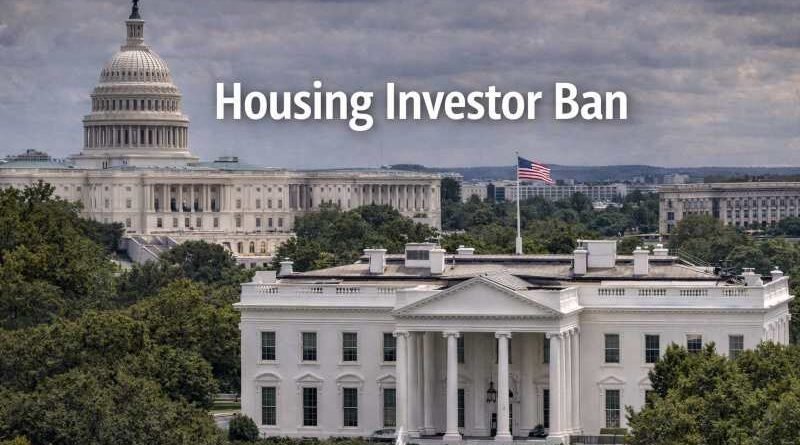
White House Faces Congressional Resistance on Housing Investor Ban
MB DAILY NEWS | Raleigh, NC
The ongoing debate over the housing investor ban highlights a significant rift between the White House and Congress. This proposal aims to restrict Wall Street investors from purchasing single-family homes, a move that has garnered mixed reactions. The administration seeks to include this ban in current housing legislation, emphasizing its importance for affordable housing. However, Republican lawmakers have expressed their reluctance to support this initiative. Their concerns center around potential market disruptions and the implications for investment. As discussions continue, the outcome will shape the future of housing policy in the country.
Background of the Proposal
This housing investor ban stems from growing worries about the impact of corporate ownership on the housing market. Many believe that large investors drive up prices, making homeownership less attainable for average families. The administration argues that limiting investor purchases will help stabilize the market. Advocates for the ban assert that it will promote fair access to housing. Critics, however, warn that such restrictions could deter investment in the housing sector. Understanding these dynamics is crucial as stakeholders navigate this contentious issue.
Political Implications
The clash over the housing investor ban reflects broader political tensions within Congress. The White House’s push for this measure aligns with its commitment to affordable housing initiatives. Yet, resistance from GOP lawmakers signals a potential stalemate on housing reform. This disagreement may hinder progress on other critical legislation as well. Observers are closely watching how party dynamics will influence negotiations moving forward. The outcome could have lasting effects on both housing policy and party relations.
Stakeholder Perspectives
Various stakeholders have voiced their opinions on the proposed housing investor ban. Homebuyers and community advocates largely support the initiative, viewing it as a necessary step toward equitable housing access. Conversely, real estate investors and some economists caution against the potential negative consequences. They argue that restricting investor participation could lead to decreased housing supply. Balancing these competing interests will be essential for lawmakers as they deliberate. The ongoing dialogue will likely shape future housing policies and investment strategies.
Current Legislative Landscape
As the White House pushes for the investor ban, the legislative landscape remains complex. Existing housing bills already face challenges in gaining bipartisan support. The addition of the investor ban could complicate negotiations further. Lawmakers must weigh the benefits of the ban against the potential backlash from the investment community. The outcome of these discussions will determine the direction of housing policy in the near future. Observers anticipate that any resolution will require significant compromise from both sides.
Future Considerations
Looking ahead, the housing investor ban will remain a focal point in political discussions. The administration’s commitment to affordable housing will likely continue to drive its agenda. However, the resistance from Congress suggests that achieving consensus will be challenging. Stakeholders must remain engaged as the situation evolves. The implications of this debate extend beyond housing, affecting economic stability and community development. Monitoring these developments will be crucial for understanding the broader impact on American families.
Conclusion and Next Steps
The ongoing negotiations surrounding the housing investor ban underscore the complexities of housing policy. As the White House and Congress grapple with differing priorities, the future of this proposal remains uncertain. The administration’s push for the ban reflects a commitment to addressing housing affordability. Yet, the pushback from lawmakers highlights the challenges of enacting such measures. Stakeholders will need to stay informed as discussions progress. The outcome will ultimately shape the landscape of housing policy and investment in the coming years.