
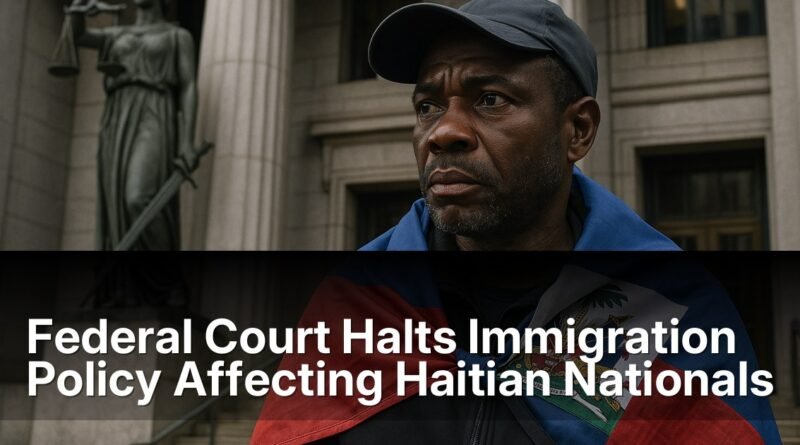
Federal Court Halts Immigration Policy Affecting Haitian Nationals
Author: MB DAILY NEWS | Raleigh, NC
Immigration policy affecting Haitian nationals: A federal judge has intervened to prevent the Trump administration from rescinding immigration protections for many Haitians. This ruling allows these individuals to continue residing legally in the United States. The decision comes amid ongoing discussions about immigration policy and its implications for vulnerable populations. The Temporary Protected Status (TPS) program has provided crucial support to Haitians since the devastating earthquake in 2010. As the situation evolves, the ruling underscores the complexities of immigration law and its impact on communities. Observers will be keen to see how this decision influences future immigration policies.
Background on Temporary Protected Status
Temporary Protected Status serves as a lifeline for individuals from countries experiencing crises. For Haitians, TPS has been vital since the catastrophic earthquake that caused widespread devastation. The program allows eligible individuals to live and work in the U.S. without fear of deportation. Changes to TPS can significantly affect the lives of those who rely on it for stability. The recent legal ruling highlights the importance of this program in providing humanitarian relief. Stakeholders will watch closely as the administration navigates the implications of this decision.
Legal Implications of the Ruling
The federal judge’s ruling emphasizes the judiciary’s role in immigration matters. Courts often serve as a check on executive power, especially regarding policies that affect large populations. This decision may set a precedent for similar cases involving TPS and other immigration protections. Legal experts suggest that the ruling could inspire further challenges to immigration policies deemed unjust. The ongoing legal battles reflect broader societal debates about immigration and human rights. Future rulings may continue to shape the landscape of immigration law in the United States.
Reactions from Advocacy Groups
Advocacy organizations have welcomed the ruling as a victory for Haitian nationals and their supporters. These groups argue that TPS is essential for protecting vulnerable communities from deportation. They emphasize the need for comprehensive immigration reform that addresses the root causes of displacement. The ruling has energized activists who advocate for the rights of immigrants. Many see this as a critical moment to push for broader protections and reforms. The response from advocacy groups will likely influence public opinion and policy discussions moving forward.
Impact on Haitian Communities
The ruling has significant implications for Haitian communities across the United States. Many individuals and families depend on TPS for their livelihoods and stability. The continuation of legal protections allows them to contribute to their communities without fear of removal. This decision also highlights the resilience of Haitian nationals who have faced numerous challenges. As they navigate their status, the ruling provides a sense of relief and hope. Observers will monitor how this decision affects community dynamics and support systems.
Future of Immigration Policy
This ruling raises questions about the future direction of U.S. immigration policy. The administration’s attempts to revoke TPS for Haitians may signal a broader trend in immigration enforcement. Policymakers must consider the humanitarian implications of their decisions. The ongoing legal challenges could prompt a reevaluation of current immigration strategies. As discussions continue, the balance between security and compassion remains a critical issue. Stakeholders will be attentive to how this ruling influences future legislative efforts.
Next Steps for Affected Individuals
Affected Haitians must remain informed about their legal status and rights following this ruling. Legal assistance and resources will be crucial for navigating the complexities of immigration law. Community organizations are likely to play a vital role in providing support and guidance. Individuals should stay updated on any changes to TPS and related policies. The ruling offers a temporary reprieve, but uncertainty remains regarding long-term protections. Continued advocacy will be essential in ensuring that the rights of Haitian nationals are upheld.
Copyright © MB Daily News. All Rights Reserved.