
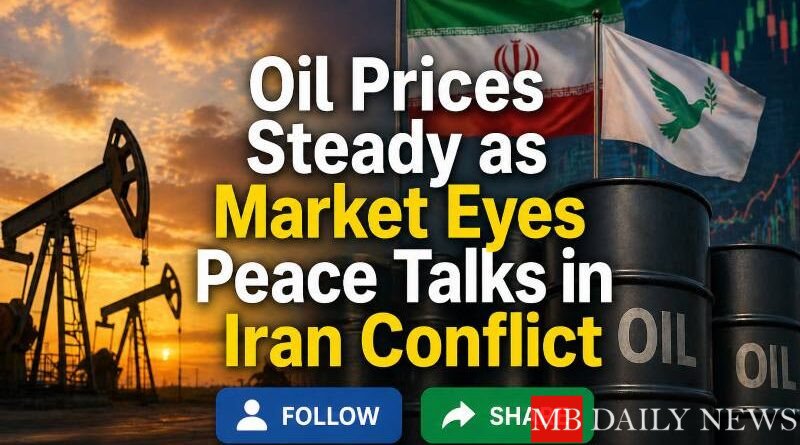
Oil Prices Steady as Market Eyes Peace Talks in Iran Conflict
MB DAILY NEWS | Raleigh, NC.
Oil prices steady: Oil prices have shown resilience in recent trading sessions, holding steady as investors turn their attention to potential developments in peace talks related to the ongoing conflict in Iran. The geopolitical tensions surrounding this situation, particularly the near-closure of the critical Strait of Hormuz, continue to create ripples across global markets, raising concerns about supply disruptions.
In a recent investigative report by MB Daily News, I took a closer look at how these geopolitical dynamics are influencing market sentiment and investor behavior. The Strait of Hormuz is a vital artery for global oil transportation, and any disruptions there could have far-reaching implications for energy prices and availability.
Geopolitical Tensions Impacting Oil Markets
The conflict in Iran has heightened uncertainties in oil supply, with traders closely monitoring the situation. The Strait of Hormuz, through which a significant portion of the world’s oil supply flows, remains a focal point of concern. As tensions escalate, the potential for military confrontation or further sanctions looms large, leading to increased volatility in oil markets.
This heightened state of alert among traders reflects a broader anxiety about the stability of oil supplies, particularly as global demand continues to recover from pandemic-related disruptions.
“The markets are holding their breath, waiting for any signal that could shift the balance of supply and demand.” In that sense, the story also echoes similar developments that have surfaced around the same issue in recent coverage, adding a wider frame to the immediate headline.
Current Market Signals
Despite the ongoing uncertainties, oil prices have managed to maintain their footing. Analysts suggest that this stability may reflect a combination of cautious optimism regarding diplomatic efforts and a recognition of the underlying demand trends. As economies worldwide strive to rebound, the appetite for energy remains robust, which could cushion prices against significant downward pressure.
“In my reporting, this kind of movement often says as much about sentiment as it does about the numbers themselves.”
Broader Implications for Investors
The implications of these developments extend beyond immediate price fluctuations. Investors are increasingly aware that geopolitical factors can have a lasting impact on energy markets. A prolonged conflict or failure to reach a diplomatic solution could lead to a spike in oil prices, affecting everything from consumer spending to inflation rates.
“Investors must remain vigilant; geopolitical risks can change market dynamics overnight.”
Similar Trends in Global Markets
This situation is not isolated; it mirrors past instances where geopolitical tensions significantly influenced oil prices. For example, previous conflicts in the Middle East have led to sharp price increases, underscoring the interconnectedness of global markets. Traders are likely drawing parallels to these historical events as they navigate the current landscape.
Human Impact and Economic Considerations
The ramifications of fluctuating oil prices extend beyond the trading floor. Higher energy costs can lead to increased prices for consumers, affecting everything from transportation to heating. Policymakers and economists will be watching closely, as sustained price increases could complicate recovery efforts in various sectors.
Looking Ahead: What’s Next for Oil Prices?
As the situation evolves, the outlook for oil prices remains uncertain. Traders will be keenly observing any developments in peace talks and potential resolutions to the conflict. In the meantime, the market may continue to experience fluctuations as it reacts to news and speculation. Investors should prepare for a potentially volatile environment as geopolitical dynamics unfold.