
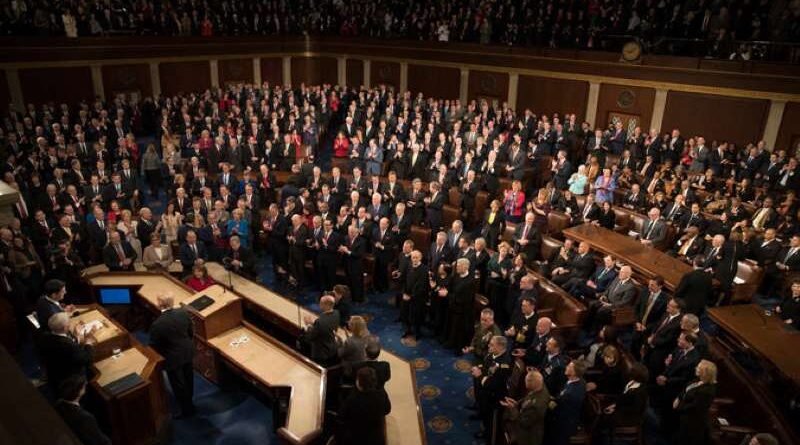
Democratic Lawmakers Plan To Boycott Trump’s State Of The Union Address
MB DAILY NEWS | Raleigh, NC
A notable group of Democratic lawmakers intends to skip President Trump’s upcoming State of the Union Address. This decision reflects a significant political statement against the current administration. Approximately 50 members from both the House and Senate have chosen to abstain from attending this annual event. Their absence signals a growing discontent among Democrats regarding Trump’s leadership. This unusual move highlights the deepening partisan divide in Congress. Observers will be keen to see how this boycott influences future legislative discussions.
Context of the Boycott
The decision to boycott the State of the Union Address stems from ongoing tensions between Democrats and the Trump administration. Lawmakers have expressed frustration over various policies and actions taken by the president. This protest serves as a symbolic rejection of Trump’s agenda and leadership style. By not attending, these lawmakers aim to draw attention to their dissent. The boycott also raises questions about the effectiveness of bipartisan cooperation moving forward. Political analysts will monitor the implications of this action on upcoming legislative negotiations.
Historical Significance
Boycotting a State of the Union Address is a rare occurrence in American politics. Historically, such actions have been reserved for moments of significant political strife. This boycott marks a departure from traditional norms of congressional decorum. It underscores the severity of the current political climate. The absence of these lawmakers could alter the tone of the evening and the public’s perception of the address. Observers will likely compare this event to past boycotts and their outcomes.
Reactions from the White House
The White House has yet to respond to the planned boycott by Democratic lawmakers. Officials may downplay the significance of the absence, framing it as a partisan tactic. However, the administration could also face criticism for failing to engage with dissenting voices. This situation presents an opportunity for the president to address the divide directly during his speech. How Trump responds to this boycott could influence his standing among undecided voters. The political ramifications of his response will be closely watched.
Implications for Future Legislation
The boycott may have lasting effects on legislative collaboration between parties. With Democrats openly rejecting the president’s address, future negotiations could become even more contentious. This action may embolden other lawmakers to express their dissent more openly. As a result, bipartisan efforts may face increased challenges in the coming months. The potential for gridlock in Congress could rise as both parties dig in their heels. Stakeholders will need to consider how this dynamic affects key policy discussions.
Public Perception and Voter Impact
The decision to boycott the State of the Union Address could resonate with voters. Many constituents may view this action as a principled stand against perceived injustices. This could enhance the Democrats’ appeal among their base, particularly those disillusioned with the current administration. Conversely, some voters may interpret the boycott as a failure to engage constructively. The impact on public opinion will depend on how effectively both parties communicate their positions. Analysts will track voter sentiment in the aftermath of the address.
What to Watch Next
As the State of the Union Address approaches, all eyes will be on the reactions from both parties. Observers will look for any shifts in rhetoric or strategy following the boycott. The address itself may serve as a platform for Trump to address dissent and rally support. Additionally, the aftermath of the speech could lead to further political maneuvering. Lawmakers’ responses in the following days will be crucial in shaping the narrative. The evolving political landscape will require close attention from analysts and voters alike.