
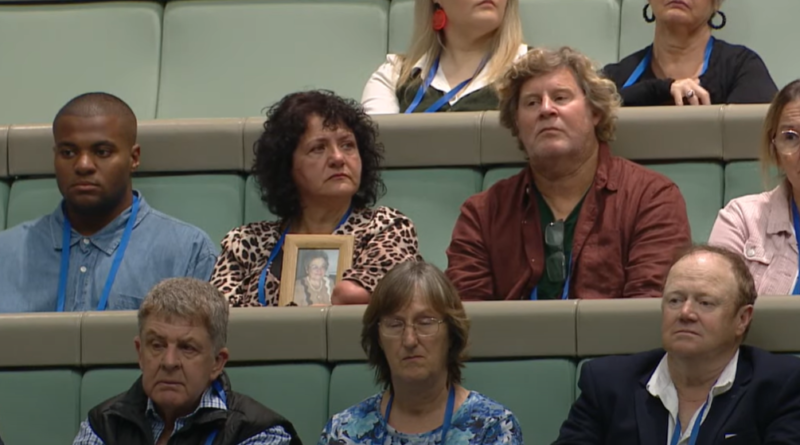
Thalidomide Survivors Say Accessing Medical Funds Is “Stressful and Degrading
A new report highlights how bureaucratic barriers continue to affect people living with the long-term consequences of one of the world’s most devastating medical scandals.
Decades after being born with severe disabilities caused by thalidomide, many survivors say their struggle did not end when the drug was withdrawn. Instead, it has evolved into a new challenge: navigating complex and emotionally draining systems to access medical funds intended to support their care.
When essential support becomes an added burden
According to the report, survivors describe the application process as stressful, humiliating, and emotionally exhausting. Although the funds were created to guarantee dignified and long-term medical support, many beneficiaries say the system places an unnecessary burden on people with permanent and irreversible conditions.
“It feels like we constantly have to prove that we are still disabled.”
A tragedy with lifelong consequences
Thalidomide was prescribed in the late 1950s and early 1960s to treat morning sickness during pregnancy. The drug caused severe congenital malformations in thousands of babies worldwide before it was removed from the market.
Today, most survivors are older adults who require continuous medical care, assistive devices, surgeries, and specialized treatment as their health deteriorates with age.
The emotional toll of bureaucracy
Beyond physical needs, the report highlights the psychological impact of repeated assessments and administrative requirements. Survivors report anxiety, frustration, and a loss of dignity when forced to repeatedly justify needs that are already well documented.
Advocacy groups warn that some survivors avoid seeking additional help altogether, fearing another experience they perceive as invasive and dehumanizing.
Calls for reform and accountability
Human rights advocates are urging authorities to simplify access to medical funds and adopt a more compassionate, person-centered approach. They argue that support should be granted using stable criteria that recognize the permanent nature of survivors’ conditions.
An unresolved moral obligation
The report concludes that as long as medical funds exist but remain difficult to access, the moral and social debt owed to thalidomide survivors remains unresolved.

Trudeau Rejects US Trade Settlement Proposal Amid Ongoing Tariff Dispute
Prime Minister Justin Trudeau has firmly rejected any compromise on Canada’s retaliatory tariffs, saying his government will not lift them unless the US