
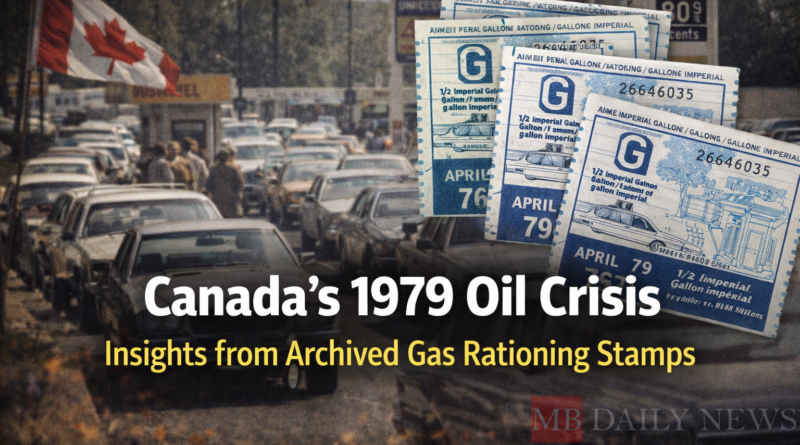
Canada oil crisis: Canada’s 1979 Oil Crisis: Insights from Archived Gas Rationing Stamps
MB DAILY NEWS | Raleigh, NC
Canada oil crisis: Archived stamps from 1979 provide a glimpse into Canada’s readiness for potential gasoline rationing during the oil crisis. Although the stamps never circulated, they serve as a historical reminder of the challenges faced during that period. Economist Peter Tertzakian emphasizes that these artifacts illustrate the unpredictability of oil shortages. Understanding this history can inform current energy policies and consumer behavior. As global energy demands fluctuate, lessons from the past remain relevant today. Observers should consider how these insights might shape future responses to energy crises.
Historical Context of the 1979 Oil Crisis
The 1979 oil crisis emerged from geopolitical tensions and supply disruptions, leading to soaring fuel prices. Canada, like many nations, faced the daunting task of managing its energy resources amid uncertainty. The government explored various strategies to conserve fuel, including the idea of rationing gasoline. Although the stamps were never issued, their existence reflects the seriousness of the situation. This historical context highlights the importance of preparedness in energy management. Current policymakers can draw parallels to today’s energy landscape, where similar challenges may arise.
Significance of the Gas Rationing Stamps
The gas rationing stamps symbolize a proactive approach to potential fuel shortages. They remind citizens and leaders alike of the need for contingency plans during crises. While the stamps remained unutilized, their design and intent reveal a commitment to addressing energy challenges. Tertzakian points out that such preparedness is crucial in an era of fluctuating oil prices. The stamps serve as a historical artifact, prompting discussions about energy security. Future generations can learn from these lessons as they navigate their own energy dilemmas.
Lessons for Today’s Energy Policies
Current energy policies can benefit from the insights gained during the 1979 crisis. Policymakers must consider the potential for supply disruptions and the need for conservation strategies. The archived stamps encourage a reevaluation of how Canada manages its energy resources. As global energy demands continue to evolve, proactive measures become increasingly important. Tertzakian’s reflections on the past highlight the necessity of being prepared for unexpected shortages. Stakeholders should prioritize sustainable practices to mitigate future risks.
Public Awareness and Preparedness
Public awareness about energy conservation remains vital in today’s context. The historical stamps can serve as a conversation starter about fuel management and sustainability. Engaging communities in discussions about energy use can foster a culture of preparedness. Citizens should understand the implications of energy shortages and the importance of conservation. Educational initiatives can empower individuals to make informed choices regarding their energy consumption. As history shows, being prepared can make a significant difference during crises.
Future Implications for Energy Security
Looking ahead, energy security will continue to be a pressing concern for Canada and the world. The lessons from the 1979 oil crisis underscore the need for robust energy strategies. Policymakers must balance economic growth with sustainable energy practices. The archived stamps remind us that proactive measures can mitigate the impact of future shortages. As global energy dynamics shift, Canada must remain vigilant and adaptable. Observers should monitor how these historical insights influence contemporary energy discussions.
Conclusion: Reflecting on the Past
Reflecting on the past provides valuable insights into managing future energy challenges. The archived gas rationing stamps from 1979 serve as a reminder of the unpredictability of oil supply. Tertzakian’s commentary emphasizes the importance of preparedness in energy policy. As Canada navigates its energy future, lessons from history will play a crucial role. Engaging in proactive discussions about energy conservation can help mitigate risks. The past informs the present, guiding Canada toward a more sustainable energy landscape.