
Trump Executive Order Makes Federal Contractors Alert White House
A new federal contractors executive order signed by President Donald Trump on November 20 requires every company working on a federal contract to tell the White House and its contracting agency right away when Congress asks about its dealings with the executive branch. The order, Executive Order 14438, also directs contractors to follow White House instructions on withholding material the administration considers covered by executive privilege. It arrives weeks before Democrats take control of the House in January with plans for wide-ranging oversight, and it could put thousands of businesses, from defense suppliers to engineering firms, between two branches of government.
The order, titled “Protecting the Executive’s Privileges and Enhancing Efficiencies in Federal Contracting,” was published by the White House alongside a fact sheet. Construction trade publication ENR and Fox News were among the outlets that first detailed its contents and the early reaction.
What the federal contractors executive order requires
According to the text posted by the White House, all federal contractors must “immediately” do three things when Congress comes asking:
- Notify the White House and their contracting agencies of any pending or future congressional request about their communications or work with the executive branch.
- Follow any White House or agency instructions on withholding communications that officials have determined are protected by executive privilege.
- Coordinate with the agency and the White House on how to respond, including whether any privilege should be asserted.
The rules also reach subcontractors working on a federal contract. Agencies are told to make prime contractors responsible for ensuring that their subcontractors comply, a point ENR highlighted as significant for construction and engineering firms that rely on layered supply chains.
Each agency must “promptly” inform its contractors and subcontractors of the new obligations, and the Office of Management and Budget is directed to write guidance on how agencies will ensure compliance. The order sets no deadline for that guidance.
Penalties: contracts at risk, but not automatic
The enforcement section tells contracting agencies to consider “all appropriate actions, consistent with applicable law,” including termination or cancellation of contracts and suspension or debarment of contractors. Penalties are therefore possible but not mandatory; agencies are asked to weigh them case by case.
The order does not spell out how the new duties apply to contracts already in force, and it contains no specific provision on whistleblowers. As with most executive orders, it states that it creates no right or benefit enforceable against the United States and must be carried out consistent with applicable law.
In its fact sheet, the White House framed the move as a defense of constitutional prerogatives, stating that “these privileges are vital to the Executive Branch’s ability to function and serve the American people.” It also said that “certain congressional leaders have threatened to intrude on these Executive prerogatives.”
Why it matters as Democrats prepare House oversight
The timing is central. After their gains in the midterm elections, Democrats are preparing to take over the House in January and expand investigations of the administration, as ENR and Fox News reported. MB Daily News has followed how the results reshaped both parties, including the GOP leadership fight after the midterms and the looming government shutdown deadline.
Rep. Robert Garcia of California, the top Democrat on the House Oversight Committee and its expected chairman next year, condemned the order in a November 21 statement, calling it “the latest in the Trump Administration’s blatant attack on Congress’ constitutional right,” according to ENR. Fox News reported that Democrats have already sent document preservation letters to a number of current and former officials and people close to the president.
What contractors and Congress can expect next
Legal analysts say the order leaves companies with hard choices. In a client alert summarized by ENR, the law firm Crowell & Moring noted that the order has little precedent in federal contracting and does not give contractors blanket protection: Congress can still pursue contempt for ignoring a subpoena, while the order adds contractual consequences for ignoring the administration’s instructions. Following White House directions, the firm’s analysis suggested, does not necessarily relieve a company of its legal obligations to Congress.
Several questions remain open until OMB issues guidance and agencies act:
- Whether agencies will add new clauses to contracts or modify existing agreements.
- Whether prime contractors will have to certify their subcontractors’ compliance.
- How disputes will be handled when a congressional subpoena conflicts with a White House instruction to withhold documents.
For now, companies with federal work are likely to review how they log and route congressional inquiries. The first real test is expected once the new House majority begins issuing requests and subpoenas early next year, when courts may ultimately be asked to decide where executive privilege ends and Congress’s oversight power begins.
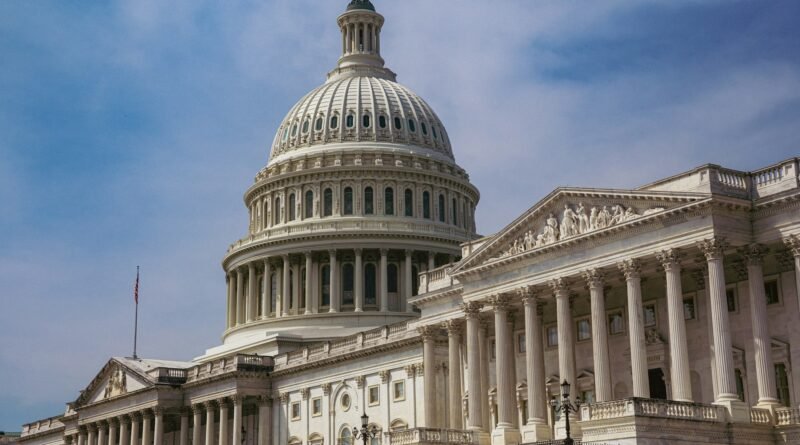
Featured image: Mike Stoll / Unsplash (Unsplash License).