

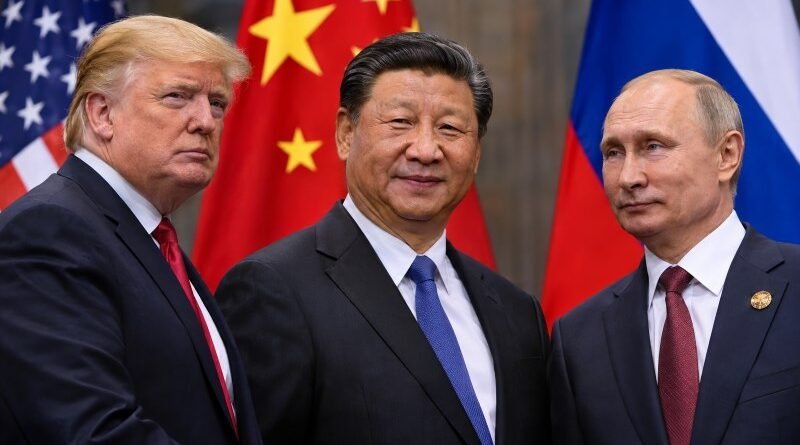
Trump Arrives in China for High-Level Talks with Xi Jinping and Vladimir Putin
The U.S. president begins a major diplomatic visit to China, where discussions on the war in Ukraine, nuclear security, international trade, and technology could influence relations among the world’s leading powers.
U.S. President Donald Trump arrived in China on Wednesday for a series of diplomatic meetings with Chinese President Xi Jinping and Russian President Vladimir Putin. The visit comes amid growing international tensions, including the war in Ukraine, trade disputes between Washington and Beijing, and competition for technological leadership.
The three leaders plan to meet on Thursday during the Asia-Pacific Economic Cooperation (APEC) summit. Their discussions are expected to focus on global security, nuclear weapons, and economic relations. According to reports attributed to Associated Press and Reuters, Trump also plans to hold a separate meeting with Putin.
Xi Jinping Welcomes Trump to China
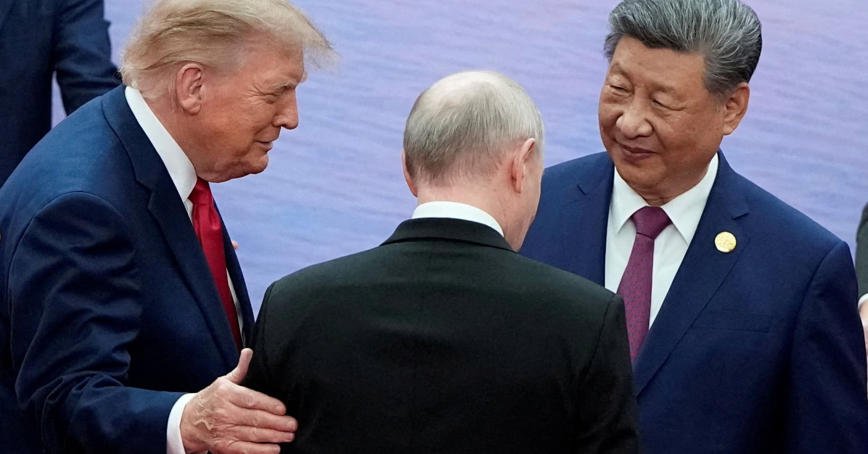
Chinese President Xi Jinping personally welcomed Trump at Shenzhen Airport, highlighting the importance of relations between the two countries. Both leaders exchanged cordial greetings before attending official summit events, where economic cooperation and regional security remain major priorities.
Trump also briefly met Putin ahead of a welcome banquet hosted by Chinese officials. The encounter marked their first reported face-to-face meeting since August 2025, when both leaders discussed the war in Ukraine during a summit in Alaska. However, those negotiations did not produce a ceasefire agreement.
Ukraine War Remains a Major Diplomatic Challenge
The war between Russia and Ukraine remains a central issue in international diplomacy. Trump has expressed interest in discussing the conflict with Xi and Putin, while a separate meeting with the Russian president could provide another opportunity to explore possible solutions.
However, major disagreements remain over security guarantees, occupied territories, and the conditions for a peace agreement. Russian officials have indicated that the planned meeting will not involve detailed negotiations, making an immediate diplomatic breakthrough uncertain.
Nuclear Security Takes Center Stage
Nuclear security represents another major concern for the three governments. The United States and Russia possess the world’s largest nuclear arsenals, while China continues to expand its strategic military capabilities.
Trump has expressed interest in reducing the risk of nuclear conflict and exploring new opportunities for cooperation. However, significant differences between the countries could complicate negotiations. China maintains that Washington and Moscow should reduce their nuclear stockpiles before asking Beijing to accept similar restrictions.
Russia continues to focus on European security and the consequences of the war in Ukraine. Even a preliminary agreement to continue discussions could improve communication and create opportunities for future negotiations.
U.S.-China Technology Disputes Increase Pressure
Technology remains a major source of tension between Washington and Beijing. The United States has introduced restrictions on advanced computer chips and artificial intelligence technology, arguing that these measures protect national security and prevent sensitive equipment from reaching certain foreign companies.
China has criticized the restrictions and warned of possible trade responses. The dispute affects businesses developing artificial intelligence, advanced processors, and digital infrastructure. It also creates uncertainty for companies that depend on international technology supplies.
Despite these disagreements, both governments have strong economic reasons to maintain stable commercial relations. Progress during the summit could help reduce uncertainty, although major differences remain unresolved.
Global Trade and Critical Minerals Enter the Discussions
International trade will also play an important role during the summit. The United States wants to diversify its supply chains and reduce dependence on materials processed in China, particularly minerals used in advanced technology and manufacturing.
Rare earth elements remain especially important because manufacturers use them in electric vehicles, military equipment, electronic devices, and renewable energy systems. China controls a large share of global rare earth processing, giving Beijing considerable influence over international supply chains.
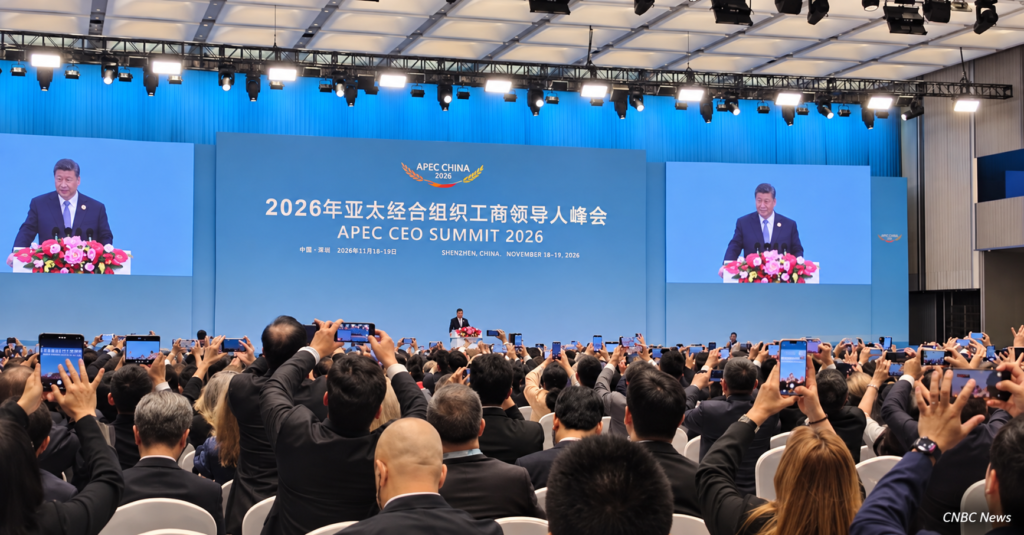
The leaders may also discuss tariffs and export restrictions, which continue to create tension between the world’s two largest economies. During the APEC business forum, Xi Jinping emphasized the importance of economic cooperation and open international trade.
Trump Highlights Trade Cooperation with the Philippines
Before arriving in China, Trump visited Manila and met Philippine President Ferdinand Marcos Jr. Both leaders discussed opportunities for cooperation in trade, energy, technology, and defense while reaffirming the importance of their bilateral relationship.
Trump announced progress toward a trade agreement with the Philippines, although officials had not released all its details. The visit also included discussions about regional security and cooperation across the Indo-Pacific.
These diplomatic efforts reflect Washington’s broader strategy to strengthen economic partnerships and maintain close relationships with Asian allies.
Possible Meeting with Kim Jong-un Draws Attention
Trump has also expressed interest in meeting North Korean leader Kim Jong-un during his visit to Asia. Such an encounter could reopen discussions about North Korea’s nuclear program and create opportunities to address security concerns on the Korean Peninsula.
However, officials had not confirmed a meeting as of November 18. Significant disagreements remain between Washington and Pyongyang, particularly over nuclear weapons and international sanctions.
Any future negotiations would require both governments to address these differences before making meaningful diplomatic progress.
Financial Markets Monitor the Diplomatic Talks
Investors are closely watching developments in China because the discussions could influence global trade, energy prices, technology companies, and financial markets. Positive diplomatic progress may improve business confidence, while additional trade restrictions could increase uncertainty.
Manufacturing, transportation, and technology companies remain particularly sensitive to changes in international trade policy. Businesses operating across multiple countries must also consider the effects of tariffs, export controls, and supply chain disruptions.
Latin American economies have important interests in the outcome because decisions made by major powers can affect commodity prices, foreign investment, and international commerce.
Thursday’s Summit Could Shape Future Relations
The planned meeting on November 19 will attract international attention as Trump, Xi, and Putin address several difficult issues. Their governments continue to disagree on trade, security, technology, and regional conflicts, although direct communication could help reduce misunderstandings.
The success of the summit will depend on whether the leaders establish clear commitments and practical opportunities for cooperation. Even limited progress could support future negotiations and improve communication between the three governments.
For now, governments, businesses, and investors will continue to monitor the discussions. The outcome could influence global security, economic relations, and technology policy in the months ahead.
Fuentes: Redacción basada en informaciones CNBC News