
Bisleri FSSAI Prosecution Sanctioned Over Unsafe Water Sample
India’s food safety regulator has sanctioned the prosecution of Bisleri International Pvt Ltd after a sample of its packaged drinking water was declared unsafe in two rounds of laboratory testing. The Food Safety and Standards Authority of India (FSSAI) announced the Bisleri FSSAI prosecution on Sunday, 22 November, in a social media post, saying the sample collected from the company’s premises breached the prescribed limit for bromate and was later found to contain polynuclear aromatic hydrocarbons (PAHs). The action matters for millions of households and offices that rely on bottled water, and it comes as the regulator steps up enforcement across the food and beverage sector.
What FSSAI found in the Bisleri water sample
According to FSSAI, the regulatory sample was of “Packaged Drinking Water (other than Mineral Water)” and was collected from the premises of Bisleri International. The first analysis found the sample “non-compliant with the prescribed bromate limits”, and it was declared unsafe under the Food Safety and Standards Act, 2006, the regulator said, as reported by the Press Trust of India.
The company appealed, and the sample was referred to a Referral Food Laboratory. That laboratory also declared it unsafe, but on a different parameter: the detection of PAHs. FSSAI said the laboratory findings established violations relating to unsafe food under the Act and that sanction had been granted to launch prosecution against the company.
Several details have not been made public. Business Today and the legal news site LawChakra noted that the announcement did not disclose the date of sampling, the plant, the batch, the measured levels or the limits applied. LawChakra noted that bromate can form when water is disinfected by ozonation, while Business Standard reported that several PAHs can be toxic when they exceed safe limits.
Bisleri’s response and what prosecution means
Bisleri had not issued a public response at the time of reporting. Business Standard said an email seeking comment had not been answered by its publishing time, and Business Today reported that the company had not responded to media queries about the sanction.
A sanction to prosecute is not a finding of guilt. It allows a criminal case to be filed before a court, which will then examine the evidence, LawChakra noted. Under the Act, penalties for unsafe food depend on whether anyone was harmed; where no injury is caused, the maximum is six months’ imprisonment and a fine of up to Rs 1 lakh. No injury has been reported in connection with this sample. FSSAI has not announced a recall or a licence action against Bisleri.
Other food businesses named by the regulator
The Bisleri case was part of a wider set of enforcement actions announced on the same day. According to the FSSAI post, as reported by ThePrint and Business Standard:
- Vasant Masala Pvt Ltd and Tit-Bit Foods (India) Pvt Ltd: prosecution sanctioned over chilli powder samples with pesticide residues above prescribed limits; a Tit-Bit turmeric powder sample was also declared unsafe for tin at 0.014 mg/kg against a maximum of 0.01 mg/kg.
- Mimansa Industries Private Limited: prosecution sanctioned over a walnut kernel sample with excess moisture, damaged units, acidity of extracted fat and rancidity.
- Asha Confectionery: ordered to recall pre-packaged chocolate-filled cookies found unsafe, with prosecution also sanctioned because the product was misbranded and substandard.
- Urmi Lifesciences LLP and Gaur Ayurvedic Store: licences suspended over serious food safety and regulatory violations, with compliance scores of 15 per cent and 28 per cent respectively.
What it means for consumers of packaged drinking water
Packaged drinking water counts as food under Indian law and must meet standards under the Food Safety and Standards regulations of 2011. LawChakra noted that FSSAI placed packaged drinking water and mineral water in its high-risk food category in late 2024, which brings annual risk-based inspections and third-party audits. Business Today reported that a mandatory testing regime requiring batch-wise testing records has applied since 1 January 2026.
For consumers, the case is a reminder that bottled water is regulated like any other packaged food, and that complaints about food quality can be raised with FSSAI through its consumer channels. The regulator has not advised the public to stop using any specific product. The next step is the filing of the case; the court process will determine whether the company is liable.
Business Standard reported that the regulator has recently stepped up action against food businesses, e-commerce firms and beverage makers, and earlier this month took action against nutraceutical manufacturers. Food safety has also featured in other recent national developments, such as the launch of India’s first home-grown H5N1 vaccine for poultry.
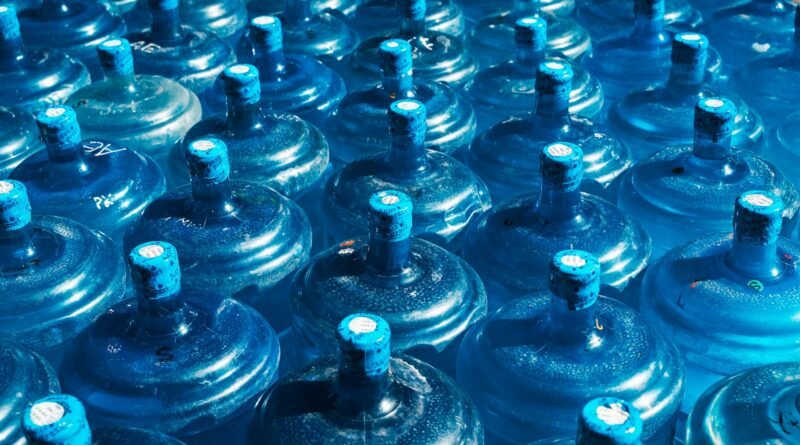
Featured image: Thilina Alagiyawanna / Unsplash (Unsplash License).