

U.S. Economy Outlook: What Democrats Plan for 2027
Sticky prices, 7% mortgages and a possible Fed hike greet the new Congress.
By Javier Zelaya | MB Daily News | November 19, 2026
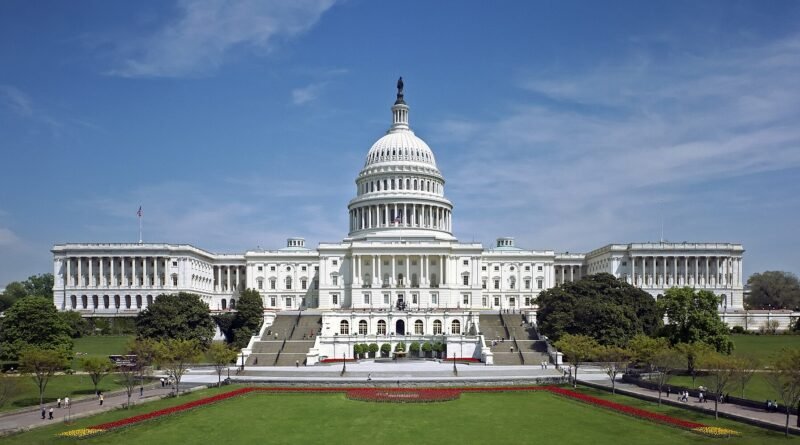
The U.S. economy outlook has turned into the central question for Washington. Voters went to the polls on November 3 frustrated with the cost of living. Now, as the new Congress prepares to convene in January, Democratic leaders promise relief. Yet the numbers they inherit are stubborn, and their tools are limited.
Where the new Congress stands after the midterms
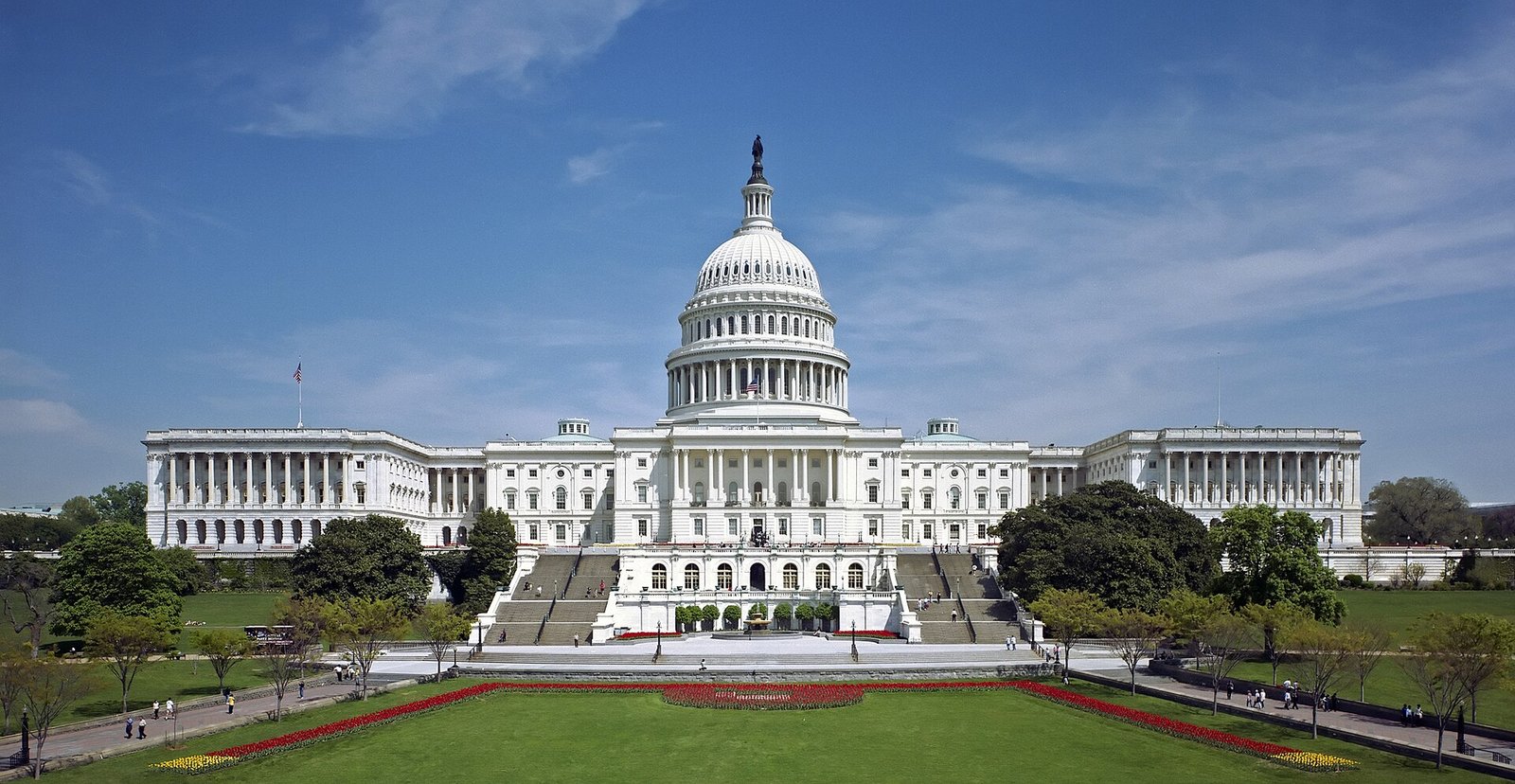
As of November 19 at 7:28 a.m. CT, the Associated Press count showed Democrats with 257 House seats won and Republicans with 172. In those AP results, six House seats are counted as won for no party, and the results don’t say why or which way they will go. In the Senate, as of 7:26 a.m. CT, AP’s count showed Democrats with a total of 56 seats and Republicans with 44. These figures may have changed since then.
The U.S. economy outlook in four numbers
First, consider the data. According to the U.S. Bank Economic Research Group’s November 13 outlook, inflation has not finished cooling.
Consumer prices rose 0.4% in October, down from 0.6% in September as energy costs eased. However, shelter and food kept pushing prices up. The government did not publish its usual 12-month figure, so U.S. Bank estimates yearly inflation near 3.9%. Meanwhile, producer prices climbed 6.5% over 12 months, the highest since late 2022.
Higher fuel costs tied to the Iran war added pressure earlier this year. That energy shock is now fading. Even so, underlying price pressure remains well above the Federal Reserve’s 2% goal.
The Fed may raise rates, not cut them
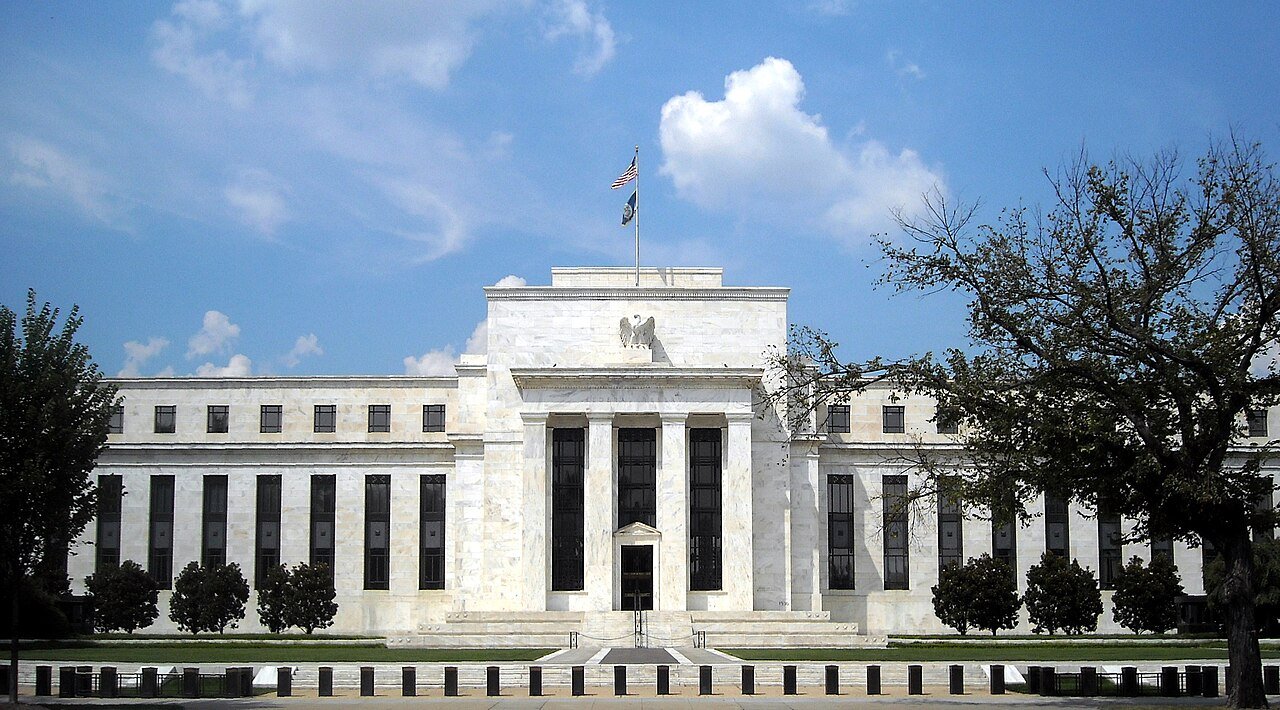
At its October meeting, the Federal Reserve held rates steady in a 10-2 vote. Notably, the two dissenters wanted a quarter-point hike. Fed Governor Christopher Waller has said a strong core reading could justify a larger move. October’s core inflation met that bar.
Consequently, U.S. Bank expects a quarter-point increase in December and another in March. Bond yields have risen, and stocks have weakened. For borrowers, that means expensive credit will likely last into 2027.
Housing feels the squeeze
Real estate shows the strain in the U.S. economy outlook most clearly. Mortgage rates have stayed above 7% through early November. Existing-home sales fell 5.5% in October to a 3.75 million annual pace, the lowest since 2010. At the same time, inventory rose 4.6% from a year earlier. Median prices barely moved, up just 0.4%.
In short, buyers have more choices but face high monthly payments. Sellers, in turn, have less pricing power. Many investors are therefore looking abroad for better value.
What Democrats plan for the economy
Democratic leaders have framed their agenda around affordability. House Democratic Leader Hakeem Jeffries has pledged to make the country affordable for every American. Senate Democratic Leader Chuck Schumer has told voters that relief is coming. Their early priorities include:
- Health care: restoring enhanced premium tax credits and undoing Medicaid cuts.
- Tariffs: reasserting Congress’s authority over trade and addressing tariff costs.
- Housing: bringing home prices down, although no detailed plan is public yet.
- Energy: war powers resolutions aimed at ending the Iran war, which pushed fuel prices higher.
In addition, Sen. Elizabeth Warren wants to use budget reconciliation to reverse health cuts and fund child care. That tool lets budget bills pass with a simple majority, avoiding a Senate filibuster.
The limits of the U.S. economy outlook in Washington
Still, big changes face hurdles. Democrats do not hold enough seats to override a presidential veto. President Trump has sent mixed signals, saying he could veto everything but also make deals. Moreover, analysts at Third Way warn that voters may be disappointed by divided government.
For now, the realistic plan is to force votes, send popular bills to the president and dare him to veto them. Markets, meanwhile, will watch the Fed more closely than Congress.
What it means for you
Overall, households should prepare for higher borrowing costs in early 2027. Buyers should lock rates carefully and compare options. Investors may want to diversify, including into international real estate. MB Daily News will track every vote and Fed decision as the new year begins.
Related: U.S. Tech Outages: Was It a Cyberattack? What We Know