
U.S. Tech Outages: Was It a Cyberattack? What We Know
Airports, Chase, the NSA and more failed in six days. Here is what officials found.
U.S. tech outages have rattled Americans for nearly a week. Between November 12 and 17, failures hit Microsoft 365, the Federal Aviation Administration, JPMorgan Chase, United Airlines, Apple and the National Security Agency. As a result, many people now ask the same question: is the country under a cyberattack? So far, federal officials say no. However, several questions remain open.
A timeline of the U.S. tech outages
The disruptions came one after another. Each one had a different owner, a different system and, according to officials, a different cause.
| Date | Who | What happened |
|---|---|---|
| Nov. 12 | Microsoft 365 | Outlook, Teams and Copilot went down for nearly a day. Microsoft traced it to a hidden defect from an earlier software change. |
| Nov. 13 | FAA | A nationwide ground stop halted departures at every U.S. airport for several hours. |
| Nov. 16 | Chase & other banks | Online banking, transfers and Zelle payments stalled for hours. |
| Nov. 16 | United Airlines | Problems getting aircraft weight data delayed departures about 90 minutes. |
| Nov. 17 | Apple | An internal update disrupted iCloud, the App Store and Apple Music. |
| Nov. 17 | NSA | Some internal systems, including a classified network, degraded during maintenance. |
The airport ground stop: legacy equipment under stress
The most visible failure came on Friday, November 13. At about 3:30 p.m. ET, the FAA issued a nationwide ground stop. Travelers filled terminals from Washington to Seattle. Meanwhile, airlines scrambled to reposition crews and aircraft.
According to the FAA’s own questions-and-answers page, excessive data flooded its systems. Investigators pointed to two possible sources: a radar site in Amarillo, Texas, and a radio site in El Dorado, Arkansas. The agency said the trouble followed a routine equipment replacement at a remote facility.
In the days that followed, more than 17,000 flights were canceled in total. Transportation Secretary Sean Duffy said the failure hit old legacy equipment, while newly installed equipment stayed up. The FAA has disabled the function linked to the problem and paused similar installations. Still, the final root cause has not been published.
The Chase outage: a software bug, not hackers
On Monday, November 16, Chase customers could not see balances or move money for hours. Because Chase sits in the middle of many payments, the delays spread to customers at Bank of America, U.S. Bank and Wells Fargo. In particular, Zelle transfers between banks slowed down.
JPMorgan Chase blamed a software defect inside its own data-center hardware. The bank stated that it saw no sign of a cyber incident. By late that night, it reported that transactions were posting normally again.
The NSA outage and the questions it raised
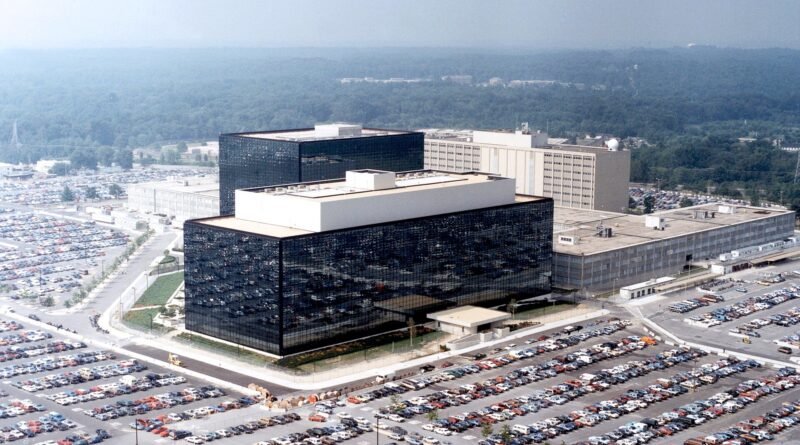
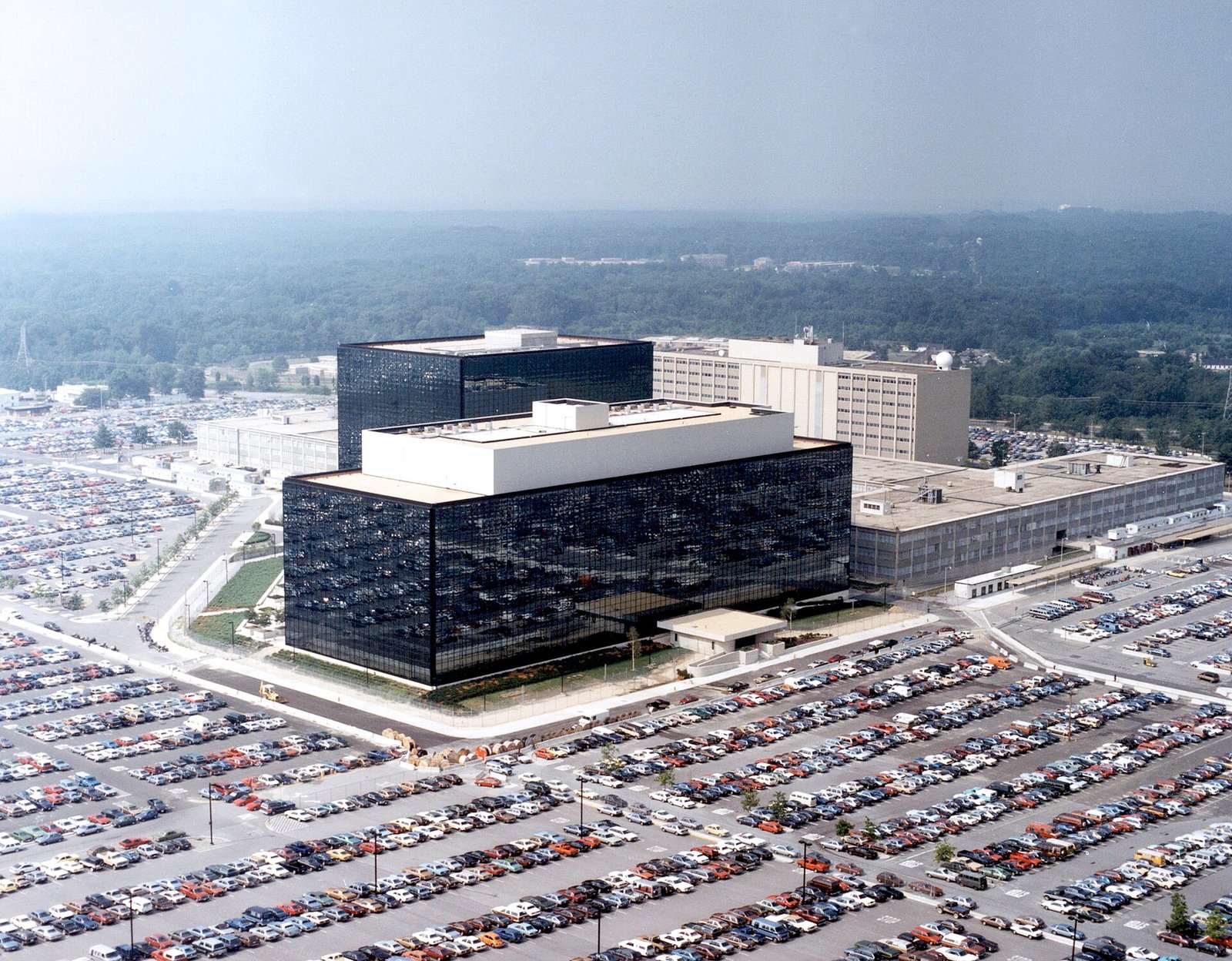
On Tuesday, November 17, part of the NSA’s internal communications went down. Sources told reporters that a classified network was affected. A U.S. official described it as temporary degradation during scheduled routine maintenance. The agency said mission-critical operations kept working. Even so, it has not released a detailed technical explanation.
Naturally, this was the U.S. tech outages episode that drew the most suspicion. Social media amplified each new failure. As CNN noted, it is getting harder for the public to tell a glitch from an attack.
Is this a cyberattack? What officials say
On November 18, Director of National Intelligence Jay Clayton testified before the House Homeland Security Committee. He said agencies found no evidence of a coordinated or state-sponsored operation. Instead, he tied the failures to maintenance, software defects and technical changes. Secretary of State Marco Rubio also said there was no evidence linking the outages to criminals or foreign governments.
Homeland Security Secretary Markwayne Mullin went further. He said he was “98% certain” officials were not seeing a cyberattack. In addition, FBI officials said they found no malicious cyber activity tying the events together.
What is being done now
Several fixes and reviews are under way:
- FAA: the agency switched off the suspect network function and paused similar router installs while the investigation continues.
- Microsoft: the company has released a preliminary incident report.
- Congress: a bipartisan group of lawmakers is pushing for briefings. Sen. Mark Warner wants closer scrutiny of tech changes across critical infrastructure.
- Intelligence community: Clayton acknowledged ongoing upgrades, including patches for newly found weaknesses.
For consumers, the advice is simple. Keep some cash on hand, check flights directly with your airline and review bank activity after any outage. Above all, be wary of scam messages that use outages as bait.
Why the U.S. tech outages matter for business
Finally, the week exposed how much daily life depends on a few systems. Planes, payroll, payments and email all share fragile links. Therefore, expect more spending on backup systems, slower software rollouts and tougher rules for critical infrastructure. MB Daily News will keep following the investigations.