


Foreigners With World Cup Tickets Won’t Need Entry Bonds
MB DAILY NEWS | Raleigh, NC.:
The Trump administration confirmed that foreign visitors attending the FIFA World Cup will not need to pay financial bonds to enter the United States. The decision eases concerns that stricter immigration policies could complicate travel plans for millions of international football fans.
The clarification, first reported by the Associated Press, comes as preparations intensify for the 2026 FIFA World Cup. The United States will co-host the tournament alongside Canada and Mexico. Organizers expect the event to attract one of the largest waves of international tourism in modern sports history.
Administration officials said World Cup ticket holders will follow normal visa and entry procedures. They will not face additional bond requirements that previously raised concerns among immigration and travel experts.
“The United States wants the World Cup to succeed and remain accessible,” one administration official said. “Fans should feel welcome while respecting the country’s immigration laws.”
Travel Concerns Had Triggered Debate
Recent discussions about immigration enforcement sparked speculation about possible entry bonds for foreign visitors. Critics warned that such measures could discourage tourism and damage the country’s global image before the tournament.
Travel industry leaders also warned that extra financial requirements could hurt attendance, especially among supporters traveling from developing countries.
“Football is a global sport, and accessibility matters,” said a sports tourism analyst. “If fans believed they faced new financial obstacles, many might reconsider traveling to the tournament.”
The administration’s announcement removes one of the biggest uncertainties surrounding international travel plans for the event.
The Economic Impact Could Be Massive
Experts project that the 2026 FIFA World Cup will generate billions of dollars in economic activity. Hotels, airlines, restaurants, transportation companies, and local businesses are all expected to benefit from the surge in tourism.
Tourism specialists say smooth entry procedures remain critical to maximizing those economic opportunities.
“The World Cup is much more than a sporting event,” one hospitality executive explained. “It creates enormous economic opportunities for host cities and local businesses.”
Cities including New York, Los Angeles, Miami, Dallas, and Atlanta continue preparing for record numbers of international visitors.
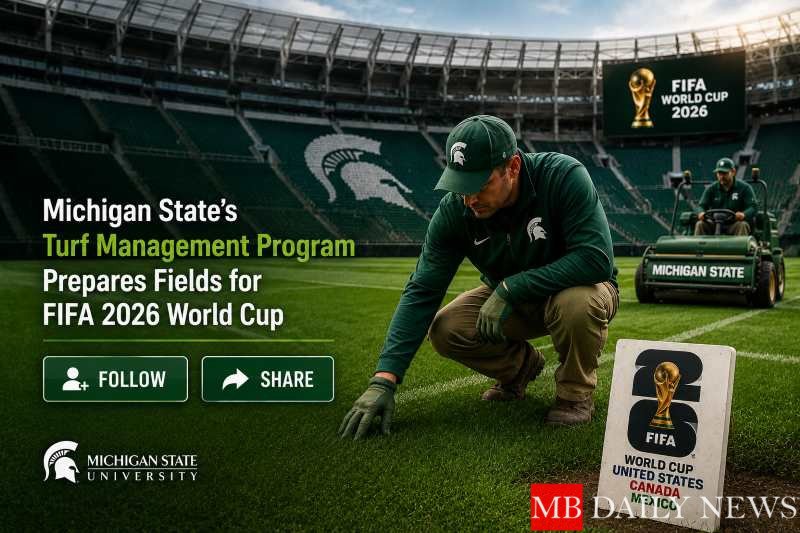
Michigan State’s Turf Management Program Prepares Fields for FIFA 2026 World Cup
Michigan State’s turf management program plays a crucial role in preparing fields for the FIFA 2026 World Cup. This initiative highlights the importance of high-quality playing surfaces in major sporting events. As the tournament approaches, the program’s efforts will significantly impact the overall experience for players and fans alike.
Balancing Security and Accessibility
Although officials rejected bond requirements, the administration emphasized that security and immigration enforcement will remain priorities during the tournament.
Federal agencies continue working with FIFA, local authorities, and international security organizations to prepare for the event.
“We can protect national security while welcoming legitimate travelers,” an administration spokesperson said. “Both goals can coexist.”
Analysts believe the World Cup also offers the United States a major opportunity to strengthen its international image through tourism and global engagement.
FIFA and Tourism Leaders Welcome the Decision
Tourism organizations and football officials reacted positively to the administration’s clarification. Many described the announcement as an important step toward ensuring a smooth experience for international supporters.
“Fans need clarity when planning trips years in advance,” one international sports consultant said. “This decision gives travelers more confidence.”
FIFA officials have repeatedly stressed the importance of cooperation among the three host nations. The expanded tournament format will increase travel demands across North America.
The 2026 FIFA World Cup will feature 48 national teams for the first time in history. The expansion will dramatically increase the number of players, staff members, media personnel, and supporters attending the competition.
Why This Decision Matters Beyond Sports
The debate surrounding World Cup entry rules highlights the growing connection between sports, immigration policy, and international diplomacy.
Major sporting events often shape how countries present themselves to the world. Visa policies, border procedures, and tourism regulations can influence global perceptions long after the tournament ends.
For the United States, the World Cup represents more than football. It also offers a chance to showcase economic strength, hospitality, and organizational leadership on a global stage.
As excitement builds for 2026, the administration’s message is now clear: foreign fans with World Cup tickets will not face additional financial barriers to enter the country.